
Adhesive Bandages
Browse a wide selection of adhesive bandages in various sizes and styles, including waterproof, flexible fabric, and antibacterial bandages. Ideal for minor cuts, scrapes, and everyday wound care.



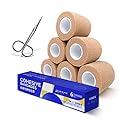
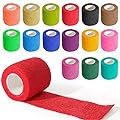





Types of Adhesive Bandages
Adhesive bandages come in a variety of types, each designed to address specific needs and wound types. Below are some of the most common categories:
Standard Adhesive Bandages
Standard adhesive bandages are the most recognizable and widely used type. They typically consist of a small, absorbent pad (often made of cotton or a cotton blend) attached to an adhesive strip. These bandages are ideal for minor cuts, abrasions, and blisters. Available in various sizes, such as 3/4-inch by 3-inch strips or smaller circular "spot" bandages, standard bandages are versatile and suitable for everyday use.
Waterproof Bandages
Waterproof adhesive bandages are designed to stay in place even when exposed to water, making them ideal for activities like swimming, showering, or working in wet environments. These bandages often feature a clear or semi-transparent film that seals the wound from moisture while allowing the skin to breathe. Waterproof bandages are particularly useful for protecting wounds in areas prone to frequent washing, such as the hands or feet.
Fabric Bandages
Fabric adhesive bandages are made from flexible, breathable materials like woven fabric or cotton blends. These bandages conform to the body’s contours, making them suitable for joints like knees and elbows, where flexibility is essential. Fabric bandages are durable and less likely to peel off during physical activity, making them a popular choice for athletes and active individuals.
Clear Bandages
Clear adhesive bandages are made from transparent materials, such as polyurethane or polyethylene, which blend seamlessly with the skin. These bandages are discreet and ideal for use on visible areas like the face or hands. Clear bandages are often waterproof and provide a tight seal around the wound, preventing contamination while maintaining a low-profile appearance.
Medicated Bandages
Medicated adhesive bandages contain active ingredients, such as antibiotics (e.g., neomycin or bacitracin) or antiseptics, to help prevent infection and promote healing. These bandages are particularly useful for wounds at higher risk of infection, such as deeper cuts or abrasions. Some medicated bandages also include ingredients like hydrocortisone to reduce itching or inflammation.
Specialty Bandages
Specialty adhesive bandages are designed for specific purposes or wound types. Examples include:
-
Blister Bandages: These feature a cushioned pad or gel to protect blisters and reduce friction, often used by runners or hikers.
-
Butterfly Bandages: Also known as wound closure strips, these are used to hold the edges of a cut together, reducing the need for stitches in minor wounds.
-
Large Wound Bandages: These are oversized bandages designed for larger abrasions or post-surgical wounds.
-
Children’s Bandages: Featuring colorful designs or cartoon characters, these bandages are designed to make wound care more appealing for kids.
Materials Used in Adhesive Bandages
The effectiveness and comfort of adhesive bandages depend on the materials used in their construction. Manufacturers carefully select materials to balance functionality, comfort, and skin safety. Below are the key components of adhesive bandages:
Absorbent Pad
The absorbent pad, often referred to as the wound pad, is the part of the bandage that covers the injury. It is typically made from cotton, rayon, or a blend of fibers designed to absorb blood, exudate, or other fluids from the wound. The pad is non-stick to prevent it from adhering to the wound, which could cause pain or disrupt healing when the bandage is removed.
Adhesive Layer
The adhesive layer is what allows the bandage to stick to the skin. Common adhesives include acrylic-based or rubber-based compounds, which are designed to be strong yet gentle on the skin. Hypoallergenic adhesives are often used to minimize the risk of skin irritation, especially for individuals with sensitive skin.
Backing Material
The backing material forms the main body of the bandage and holds the absorbent pad in place. Common backing materials include:
-
Plastic: Lightweight and cost-effective, plastic backings are often used in standard and waterproof bandages.
-
Fabric: Flexible and breathable, fabric backings are ideal for active users or areas of the body that require flexibility.
-
Foam: Foam-backed bandages provide extra cushioning and are used for blisters or pressure sores.
-
Clear Film: Transparent films are used in clear and waterproof bandages for a discreet appearance.
Protective Cover
Adhesive bandages are packaged with protective covers (often called release liners) that keep the adhesive and wound pad sterile until use. These covers are typically made of silicone-coated paper or plastic, which peels away easily without sticking to the adhesive.
Applications of Adhesive Bandages
Adhesive bandages are used in a wide range of settings, from home first-aid kits to professional medical environments. Their primary purpose is to protect minor wounds, but their applications extend beyond basic wound care. Below are some common uses:
Home First Aid
Adhesive bandages are a must-have in every household first-aid kit. They are used to cover small cuts, scrapes, and burns sustained during daily activities, such as cooking, gardening, or playing. Parents often rely on children’s bandages to comfort kids and encourage them to keep the bandage on.
Sports and Outdoor Activities
Athletes and outdoor enthusiasts use adhesive bandages to protect minor injuries sustained during physical activities. Fabric and waterproof bandages are particularly popular in this context, as they stay in place during movement and exposure to sweat or water. Blister bandages are a favorite among runners, hikers, and cyclists.
Workplace Safety
In workplaces, especially those involving manual labor or machinery, adhesive bandages are essential for treating minor injuries on the spot. Employers often stock first-aid kits with a variety of bandages to address different types of wounds, ensuring employees can quickly return to work.
Medical and Post-Surgical Care
In medical settings, adhesive bandages are used for minor wounds or as secondary dressings for post-surgical incisions. Butterfly bandages, for example, are often used to close small lacerations without stitches. Large wound bandages may be used to cover surgical sites or larger abrasions.
Pediatric Care
Children’s adhesive bandages, with their fun designs and gentle adhesives, are widely used in pediatric care. These bandages help make the wound-care process less intimidating for young patients, encouraging compliance and reducing anxiety.
Innovations in Adhesive Bandages
The adhesive bandage industry has seen significant innovation in recent years, driven by advancements in materials science and a growing understanding of wound care. Below are some notable developments:
Advanced Wound Healing
Modern adhesive bandages often incorporate technologies to promote faster healing. Hydrocolloid and hydrogel bandages, for example, create a moist environment that supports wound healing and reduces scarring. These bandages are particularly effective for burns, blisters, and chronic wounds.
Smart Bandages
Emerging technologies have led to the development of "smart" adhesive bandages that monitor wound conditions. These bandages may include sensors to detect infection, moisture levels, or temperature changes, alerting users or healthcare providers to potential issues. While still in the early stages, smart bandages represent the future of wound care.
Eco-Friendly Materials
As sustainability becomes a priority, manufacturers are exploring eco-friendly materials for adhesive bandages. Biodegradable backings, natural adhesives, and recyclable packaging are being introduced to reduce the environmental impact of disposable bandages.
Antimicrobial Bandages
To combat infection, some adhesive bandages are infused with antimicrobial agents, such as silver or iodine. These bandages are particularly useful in environments where infection risk is high, such as hospitals or areas with limited access to clean water.
Customizable Bandages
Customizable adhesive bandages allow users to cut or shape the bandage to fit specific wounds or body parts. These bandages are particularly useful for irregularly shaped wounds or areas like fingertips and knuckles.
Choosing the Right Adhesive Bandage
Selecting the appropriate adhesive bandage depends on several factors, including the type and location of the wound, the user’s activity level, and any skin sensitivities. Here are some tips for choosing the right bandage:
-
Assess the Wound: For minor cuts and scrapes, standard or fabric bandages work well. For blisters or burns, consider hydrocolloid or gel-based bandages. For deeper cuts, butterfly bandages may be necessary.
-
Consider the Environment: If the bandage will be exposed to water or sweat, opt for a waterproof or sport-specific bandage. For dry environments, breathable fabric bandages are a good choice.
-
Check for Allergies: Individuals with sensitive skin should choose hypoallergenic bandages to avoid irritation.
-
Match the Size and Shape: Ensure the bandage is large enough to cover the entire wound and surrounding skin. Specialty shapes, like fingertip or knuckle bandages, are ideal for hard-to-cover areas.
-
Think About Aesthetics: For visible areas, clear or skin-toned bandages offer a discreet appearance. For children, colorful or themed bandages can make wound care more appealing.
Proper Use and Care of Adhesive Bandages
To maximize the effectiveness of adhesive bandages, proper application and care are essential. Follow these guidelines:
-
Clean the Wound: Before applying a bandage, clean the wound thoroughly with soap and water or an antiseptic solution to remove dirt and bacteria.
-
Dry the Area: Ensure the skin around the wound is dry to help the adhesive stick properly.
-
Apply the Bandage: Center the absorbent pad over the wound and press the adhesive edges firmly onto the skin.
-
Change Regularly: Replace the bandage daily or when it becomes wet, dirty, or loose. Check the wound for signs of infection, such as redness, swelling, or pus.
-
Remove Carefully: Peel the bandage off slowly in the direction of hair growth to minimize discomfort and avoid damaging the skin.