
Cold Packs
Shop cold packs for fast pain relief and swelling reduction. Includes instant cold packs and reusable gel ice packs for sports injuries, first aid, and physical therapy.








What Are Cold Packs?
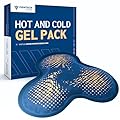
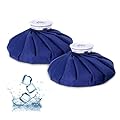
Cold packs, also known as ice packs or gel packs, are portable devices filled with a cooling agent, such as gel, water, or chemical compounds, that absorb and retain cold temperatures. These packs are typically stored in a freezer or activated chemically to provide instant cooling. They are widely used for therapeutic purposes, food preservation, and even recreational activities.
Cold packs come in various forms, including reusable gel packs, instant disposable packs, and specialized designs for specific body parts. Their primary function is to lower the temperature of the applied area, reducing inflammation, numbing pain, or maintaining the freshness of perishable items.
The Benefits of Using Cold Packs
Cold packs offer a range of benefits that make them a must-have in households, medical facilities, and outdoor settings. Here are some key advantages:
Pain Relief and Reduced Inflammation
Applying a cold pack to an injury, such as a bruise, sprain, or muscle strain, can significantly reduce pain and swelling. The cold temperature constricts blood vessels, slowing blood flow to the affected area and minimizing inflammation. This makes cold packs a go-to solution for athletes, individuals recovering from surgery, or anyone dealing with minor injuries.
Non-Invasive and Drug-Free
Cold therapy is a natural, non-invasive way to manage pain and discomfort without relying on medications. This makes cold packs an excellent choice for those seeking drug-free alternatives for pain relief, especially for chronic conditions like arthritis or migraines.
Versatility
Cold packs are incredibly versatile, serving both medical and non-medical purposes. Beyond injury treatment, they can be used to cool food and drinks, soothe sunburns, or provide relief during hot weather. Their portability makes them ideal for home, office, or travel use.
Cost-Effective
Most cold packs are reusable, offering long-term value. A single gel-based cold pack can be frozen and reused multiple times, making it a cost-effective solution compared to purchasing ice or single-use products repeatedly.
Easy to Use
Cold packs are user-friendly, requiring minimal preparation. Reusable packs can be stored in the freezer, while instant packs activate with a simple squeeze or shake. Their ease of use makes them accessible to people of all ages.
Types of Cold Packs
Cold packs come in various designs, each tailored to specific needs and preferences. Understanding the different types can help you select the right one for your intended use.
Reusable Gel Cold Packs
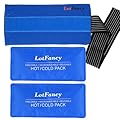
Gel-based cold packs are among the most popular options due to their durability and versatility. These packs contain a gel-like substance that remains pliable even when frozen, allowing them to conform to the body’s contours. They are ideal for:
-
Treating sports injuries
-
Soothing muscle soreness
-
Reducing swelling after dental procedures
-
Keeping food and beverages cold
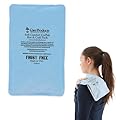
Reusable gel packs are typically covered with a soft fabric or plastic casing for comfort and can be refrozen after use.
Instant Cold Packs
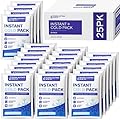
Instant cold packs are single-use products that provide immediate cooling without the need for a freezer. They contain chemical compounds, such as ammonium nitrate and water, which mix when the pack is squeezed or shaken, triggering an endothermic reaction that produces cold temperatures. These packs are perfect for:
-
Emergency situations, such as injuries during outdoor activities
-
First aid kits for travel or sports events
-
Situations where refrigeration is unavailable
While convenient, instant cold packs are not reusable and are best suited for one-time use.
Soft Fabric Cold Packs
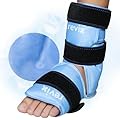
Soft fabric cold packs combine the cooling power of gel with a comfortable, cloth-like exterior. These packs are designed for prolonged use, as the fabric prevents direct contact with the skin, reducing the risk of frostbite or discomfort. They are often used for:
-
Chronic pain management
-
Post-surgical recovery
-
Soothing headaches or migraines
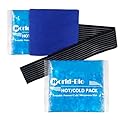
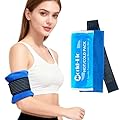
Some fabric cold packs come with adjustable straps to secure them in place, making them ideal for hands-free use.
Specialized Cold Packs
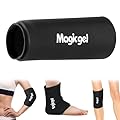
Specialized cold packs are designed for specific body parts, such as the neck, knees, or eyes. These packs are shaped to fit the targeted area, ensuring optimal coverage and comfort. Examples include:
-
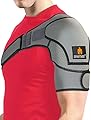
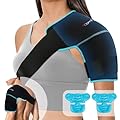
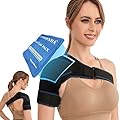
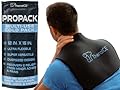
Neck and shoulder cold packs: Curved to wrap around the neck or shoulders, these are great for tension relief or post-workout recovery.
-
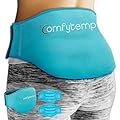
Knee and elbow cold packs: Contoured to fit joints, these are ideal for athletes or individuals with joint pain.
-
Eye masks: Small, gel-filled masks that soothe tired eyes, reduce puffiness, or alleviate headaches.
Cold Packs for Food and Beverage
Cold packs designed for food and beverage use are typically larger and designed to fit inside coolers or lunch bags. These packs keep perishable items fresh during picnics, camping trips, or long commutes. They are often made with food-safe materials and can be reused multiple times.
How to Use Cold Packs Safely
While cold packs are generally safe, proper use is essential to avoid skin damage or ineffective results. Here are some tips for using cold packs effectively:
Follow the 20-Minute Rule
For therapeutic use, apply a cold pack to the affected area for no more than 20 minutes at a time. Prolonged exposure to cold temperatures can cause frostbite or skin irritation. Allow the skin to return to normal temperature before reapplying.
Use a Barrier
Always place a cloth or towel between the cold pack and your skin to prevent direct contact. This reduces the risk of ice burns or discomfort, especially with frozen gel packs or instant packs.
Check for Skin Sensitivity
Before using a cold pack, check the skin for cuts, abrasions, or sensitivity. Avoid applying cold packs to broken skin, as this can worsen irritation or delay healing.
Store Properly
Reusable cold packs should be stored in a freezer at a temperature between 0°F and 10°F (-18°C to -12°C) for optimal cooling. Instant cold packs should be kept in a cool, dry place until needed.
Dispose of Instant Packs Properly
After using an instant cold pack, follow the manufacturer’s instructions for disposal. Some packs contain chemicals that should not be poured down drains or thrown in regular trash.
Applications of Cold Packs
Cold packs have a wide range of applications, making them a staple in various settings. Here are some common uses:
Medical and Therapeutic Uses
Cold packs are widely used in medical settings for:
-
Injury treatment: Reducing swelling and pain from sprains, strains, or bruises.
-
Post-surgical recovery: Minimizing inflammation and discomfort after procedures like knee surgery or dental extractions.
-
Chronic pain management: Easing symptoms of arthritis, tendonitis, or fibromyalgia.
-
Headache and migraine relief: Cooling the forehead or neck to alleviate tension and pain.
Sports and Fitness
Athletes rely on cold packs to:
-
Recover from intense workouts by reducing muscle soreness
-
Treat acute injuries like ankle sprains or shin splints
-
Cool down after training in hot weather
Food and Beverage Preservation
Cold packs are essential for:
-
Keeping lunches fresh during school or work
-
Maintaining the temperature of groceries during transport
-
Cooling beverages and snacks during outdoor events
Everyday Comfort
Cold packs can enhance daily comfort by:
-
Soothing sunburns or heat rashes
-
Cooling the body during hot summer days
-
Providing relief for hot flashes or fever
Choosing the Right Cold Pack
With so many options available, selecting the right cold pack depends on your specific needs. Consider the following factors:
Purpose
Determine whether you need a cold pack for medical, recreational, or food-related purposes. For example, a gel pack with a soft cover is ideal for chronic pain, while a larger pack is better for cooling a cooler.
Size and Shape
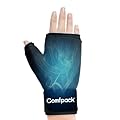
Choose a size and shape that suits the intended use. Smaller packs are great for targeted areas like the eyes or wrists, while larger packs are better for broad areas like the back or for cooling food.
Reusability
Decide whether you want a reusable or single-use pack. Reusable gel packs are more economical for frequent use, while instant packs are better for emergencies or one-time needs.
Comfort Features
Look for packs with soft covers, adjustable straps, or ergonomic designs for added comfort, especially for prolonged use.
Durability
Check the quality of the materials to ensure the pack can withstand repeated freezing and thawing without leaking or losing effectiveness.
Caring for Your Cold Pack
Proper care can extend the lifespan of reusable cold packs. Here are some maintenance tips:
-
Clean regularly: Wipe the surface with a damp cloth and mild soap to remove dirt or residue. Avoid submerging the pack in water unless specified by the manufacturer.
-
Inspect for leaks: Check for signs of wear or damage, such as cracks or leaks in the casing. Discard any damaged packs to avoid chemical exposure.
-
Store properly: Keep gel packs in the freezer when not in use to ensure they’re ready for immediate application. Store instant packs in a cool, dry place away from direct sunlight.
Innovations in Cold Pack Technology
Recent advancements have made cold packs more effective and user-friendly. Some notable innovations include:
-
Longer-lasting gel formulas: New gel compositions retain cold temperatures for extended periods, providing longer relief.
-
Eco-friendly materials: Some brands now offer biodegradable or recyclable cold packs to reduce environmental impact.
-
Dual-purpose packs: Certain cold packs can be used for both hot and cold therapy, offering versatility for various needs.
-
Smart cold packs: Emerging technologies include packs with temperature indicators to ensure safe and effective use.
Why Cold Packs Are a Must-Have
Cold packs are an essential tool for anyone seeking convenient, effective, and safe cooling solutions. Their ability to address pain, preserve food, and enhance comfort makes them invaluable in countless scenarios. Whether you’re an athlete, a parent, a frequent traveler, or someone managing chronic pain, having a reliable cold pack on hand can make all the difference.