
Gauze
Explore a wide range of sterile and non-sterile medical gauze pads, rolls, and sponges for wound care, dressing, and surgical use. Ideal for clinics, hospitals, and first aid kits.


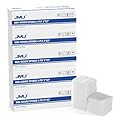

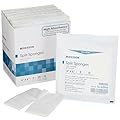
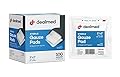




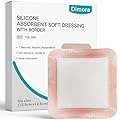
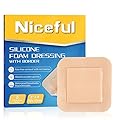
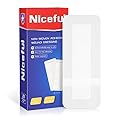
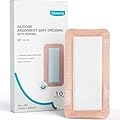

What is Gauze?
Gauze is a thin, translucent fabric typically made from cotton, though synthetic blends like polyester or rayon are also common. Its open weave structure, characterized by loosely interlaced threads, gives gauze its distinctive texture and functionality. This unique construction allows gauze to be highly absorbent, flexible, and soft, making it ideal for applications requiring gentle contact with skin or surfaces. Available in various forms such as rolls, pads, sponges, and bandages, gauze comes in sterile and non-sterile options to suit both medical and non-medical purposes.
Key Characteristics of Gauze
-
Breathability: The open weave promotes air circulation, preventing moisture buildup and aiding in wound healing or comfort.
-
Absorbency: Gauze efficiently absorbs fluids, making it ideal for wound care, cleaning, and cosmetic applications.
-
Flexibility: Its lightweight and pliable nature allows gauze to conform to different shapes and surfaces.
-
Versatility: Gauze is used in medical, cosmetic, crafting, and industrial settings, showcasing its wide-ranging utility.
-
Sterility Options: Available in sterile forms for medical use or non-sterile for general purposes, ensuring safety and hygiene where needed.
Types of Gauze Products
The gauze product category includes a variety of forms, each tailored to specific applications. Below are the primary types of gauze products available:
1. Gauze Pads
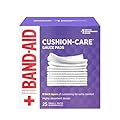
Gauze pads, also known as gauze sponges, are pre-cut squares or rectangles of gauze used for wound cleaning, dressing, or padding. They are available in multiple sizes, such as 2x2 inches or 4x4 inches, and can be sterile or non-sterile. These pads are highly absorbent and ideal for applying antiseptics, absorbing exudate, or protecting minor wounds.
-
Uses: Wound cleaning, minor injury coverage, surgical prep, cosmetic makeup removal.
-
Features: Layered construction for increased absorbency, soft texture to minimize irritation.
2. Gauze Rolls
Gauze rolls are continuous strips of gauze wound into a roll, offering flexibility for custom cutting. They are commonly used to secure dressings, wrap injuries, or provide compression. Available in various widths and lengths, gauze rolls are a go-to choice for healthcare professionals and first aid kits.
-
Uses: Bandaging limbs, securing splints, wrapping sprains or strains.
-
Features: Stretchable options for added comfort, easy to tear or cut to size.
3. Gauze Bandages
Gauze bandages are pre-made strips or wraps designed for securing wounds or providing support. They often come with adhesive or self-adherent properties, eliminating the need for additional tape. These bandages are ideal for covering larger areas or providing light compression.
-
Uses: Post-surgical wound care, support for joint injuries, burn dressings.
-
Features: Elastic or non-elastic options, hypoallergenic adhesive for sensitive skin.
4. Impregnated Gauze
Impregnated gauze is infused with substances like petroleum jelly, antiseptics, or hydrogels to enhance its functionality. These products are designed for specific medical needs, such as preventing dressings from sticking to wounds or promoting healing in burns or ulcers.
-
Uses: Burn treatment, chronic wound care, moist wound healing.
-
Features: Non-adherent properties, medicated options for infection prevention.
5. Non-Woven Gauze
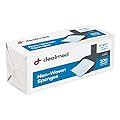
Non-woven gauze is made from synthetic fibers bonded together rather than woven, offering a smoother, lint-free surface. It is less likely to leave fibers in wounds, making it suitable for sensitive applications or surgical settings.
-
Uses: Surgical procedures, wound packing, cosmetic applications.
-
Features: Reduced linting, high absorbency, soft and durable.
6. Specialty Gauze
Specialty gauze includes products like hemostatic gauze, which promotes blood clotting, or antimicrobial gauze, infused with agents like silver to prevent infection. These are often used in advanced medical settings or emergency care.
-
Uses: Trauma care, surgical procedures, infection-prone wounds.
-
Features: Enhanced healing properties, specialized for critical care.
Applications of Gauze
Gauze’s versatility makes it indispensable across multiple industries. Below are the primary applications of gauze products:
Medical and Healthcare
In healthcare, gauze is a cornerstone of wound care and surgical procedures. Its absorbency and breathability make it ideal for managing wounds, from minor cuts to post-operative dressings. Sterile gauze pads and rolls are used in hospitals, clinics, and first aid kits to clean wounds, apply medications, or cover injuries. Impregnated and specialty gauze products cater to complex cases, such as burns or chronic ulcers, where advanced healing properties are required.
-
Wound Care: Cleaning, dressing, and protecting cuts, abrasions, and surgical incisions.
-
Surgical Use: Absorbing fluids during procedures, packing cavities, or protecting tissues.
-
Emergency Care: Controlling bleeding, stabilizing injuries, or providing temporary coverage in trauma situations.
Cosmetic and Personal Care
Gauze is widely used in beauty and personal care routines due to its soft, non-irritating texture. Non-woven gauze pads are popular for makeup removal, as they gently cleanse the skin without leaving residue. Gauze is also used in spa treatments, such as facial masks or exfoliation, where its absorbency and gentle touch enhance the experience.
-
Makeup Removal: Absorbing cleansers or toners while gently wiping the skin.
-
Spa Treatments: Applying masks, serums, or exfoliants during facials.
-
Nail Care: Removing polish or soaking nails during manicures.
Industrial and Household Uses
Beyond medical and cosmetic applications, gauze finds use in industrial and household settings. Its lightweight and absorbent nature makes it suitable for cleaning delicate surfaces, straining liquids, or crafting. Non-sterile gauze is often used in DIY projects, such as cheesecloth substitutes for cooking or straining, or in art projects for texturing.
-
Cleaning: Polishing glassware, electronics, or jewelry without scratching.
-
Crafting: Creating textured art, dyeing fabrics, or making decorations.
-
Food Preparation: Straining liquids, wrapping herbs, or covering fermenting foods.
Benefits of Using Gauze
Gauze offers numerous advantages that contribute to its widespread use:
Cost-Effective
Gauze is an affordable material, making it accessible for both professional and personal use. Its low cost does not compromise quality, as gauze products are designed to meet high standards of absorbency and durability.
Easy to Use
Gauze is user-friendly, requiring minimal training for application. Whether cutting a roll to size, applying a pad to a wound, or wrapping a bandage, gauze products are intuitive and practical.
Safe and Hypoallergenic
Made from natural or biocompatible materials, gauze is generally safe for skin contact. Sterile options ensure hygiene in medical settings, while hypoallergenic adhesives cater to sensitive skin.
Customizable
With various sizes, forms, and types, gauze can be tailored to specific needs. Whether you need a small pad for a cut or a long roll for wrapping, gauze adapts to the task.
Environmentally Friendly Options
Many gauze products are biodegradable, especially those made from 100% cotton. This makes gauze a sustainable choice for eco-conscious consumers and businesses.
Choosing the Right Gauze Product
Selecting the appropriate gauze depends on the intended use, environment, and specific requirements. Here are some factors to consider:
Sterility
For medical applications, sterile gauze is essential to prevent infection. Non-sterile gauze is suitable for cosmetic, crafting, or cleaning tasks where hygiene is less critical.
Size and Form
Choose the size and form based on the task. Small pads are ideal for minor wounds or cosmetic use, while rolls or bandages are better for larger areas or wrapping.
Material
Cotton gauze is soft and absorbent, ideal for sensitive skin. Non-woven or synthetic gauze may be preferred for lint-free applications or durability.
Specialized Features
For advanced needs, consider impregnated or specialty gauze. For example, hemostatic gauze is critical for trauma, while antimicrobial gauze suits infection-prone wounds.
Packaging
Gauze is available in individual packets, bulk rolls, or pre-cut stacks. Choose packaging that suits your storage and usage needs, such as compact sterile packets for first aid kits.
How to Use Gauze Safely
Proper use of gauze ensures effectiveness and safety, particularly in medical applications. Follow these guidelines:
-
Clean Hands and Tools: Wash hands thoroughly or wear gloves before handling gauze, especially for wound care.
-
Check Sterility: Use sterile gauze for open wounds or surgical settings to prevent infection.
-
Apply Gently: Place gauze on the skin or surface without excessive pressure to avoid irritation or discomfort.
-
Secure Properly: Use medical tape, adhesive bandages, or self-adherent wraps to keep gauze in place.
-
Monitor and Replace: Change gauze dressings regularly, especially if they become wet or soiled, to maintain hygiene.
-
Dispose Responsibly: Dispose of used gauze, particularly in medical settings, in biohazard containers if contaminated.
Innovations in Gauze Technology
Advancements in gauze manufacturing have led to innovative products that enhance performance. Some notable developments include:
-
Antimicrobial Gauze: Infused with silver or other agents to reduce infection risk in wounds.
-
Hemostatic Gauze: Designed to accelerate blood clotting, critical for emergency and trauma care.
-
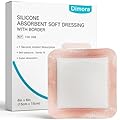
Non-Adherent Gauze: Coated with materials like silicone to prevent sticking to wounds, reducing pain during dressing changes.
-
Biodegradable Gauze: Made from eco-friendly materials to minimize environmental impact.
-
Smart Gauze: Emerging technologies incorporate sensors to monitor wound conditions, such as moisture or infection, for advanced care.
Why Choose Gauze Over Alternatives?
Compared to other materials like foam dressings, cotton balls, or synthetic pads, gauze offers unique advantages:
-
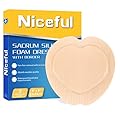
Versatility: Unlike foam dressings, which are specialized for heavy exudate, gauze suits a broader range of applications.
-
Breathability: Gauze’s open weave outperforms denser materials in promoting air circulation.
-
Cost: Gauze is generally more affordable than advanced dressings, making it a practical choice for everyday use.
-
Availability: Widely available in pharmacies, medical supply stores, and online, gauze is easy to source.