
Athletes Foot Remedies
Shop effective athlete’s foot remedies including antifungal creams, sprays, and powders. Relieve itching, burning, and cracking while preventing recurrence. Fast-acting, trusted solutions.





Types of Athlete’s Foot Remedies
Antifungal Creams and Ointments
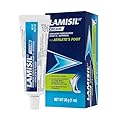
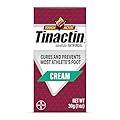
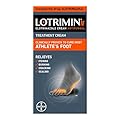
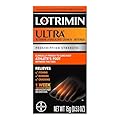
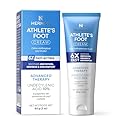
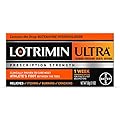
Antifungal creams and ointments are the cornerstone of athlete’s foot treatment. These topical treatments contain active ingredients like clotrimazole, miconazole, terbinafine, or tolnaftate, which target and eliminate the fungi causing the infection. Applied directly to the affected area, these products penetrate the skin to stop fungal growth, providing relief from itching and burning within days.
Benefits of Antifungal Creams
-
Fast-Acting Relief: Many creams start working within 1–2 days, reducing discomfort quickly.
-
Targeted Application: Creams are ideal for localized infections, especially between toes or on small patches of skin.
-
Wide Availability: Available in various strengths, from over-the-counter options to prescription formulas for severe cases.
-
Moisturizing Properties: Many formulations include soothing ingredients like aloe or vitamin E to hydrate and repair damaged skin.
Popular products in this category include well-known brands that offer 1% clotrimazole creams or terbinafine-based treatments, which are highly effective for most cases of athlete’s foot. Some creams are designed for daily use over 1–4 weeks, depending on the severity of the infection. For best results, users should clean and dry the affected area before applying the cream, ensuring maximum absorption.
Antifungal Sprays and Powders
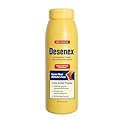
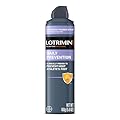
For those who prefer a non-greasy option, antifungal sprays and powders are excellent alternatives. These products are particularly useful for treating large areas of the foot or preventing fungal growth in shoes and socks. Sprays deliver a fine mist of antifungal agents, while powders absorb moisture and create an inhospitable environment for fungi.
Advantages of Sprays and Powders
-
Convenience: Sprays are easy to apply, even in hard-to-reach areas, without needing to touch the infected skin.
-
Moisture Control: Powders help keep feet dry, which is critical for preventing fungal growth in sweaty or damp environments.
-
Shoe and Sock Protection: Many sprays and powders can be applied inside footwear to reduce the risk of reinfection.
-
Cooling Sensation: Sprays often provide a refreshing feel, instantly soothing itching and burning.
These products are ideal for athletes or individuals who spend long hours in closed-toe shoes. Some powders also contain odor-neutralizing agents, making them a dual-purpose solution for foot odor and fungal infections.
Medicated Soaks and Solutions
Medicated foot soaks and solutions offer a therapeutic approach to treating athlete’s foot. These products typically involve soaking the feet in a basin of water mixed with an antifungal or antiseptic solution, such as Epsom salts, tea tree oil, or potassium permanganate. Soaks are particularly effective for widespread infections or when the skin is cracked and painful.
Why Choose Foot Soaks?
-
Deep Penetration: Soaking allows the active ingredients to reach deeper layers of the skin, targeting persistent fungi.
-
Soothing Relief: Warm water and medicated ingredients reduce inflammation and discomfort.
-
Exfoliation: Some soaks help remove dead skin, promoting healing and preventing fungal buildup.
-
Relaxation: The soaking process can be a calming ritual, encouraging consistent treatment.
Foot soaks are often recommended for use in conjunction with topical creams or powders for a comprehensive treatment plan. Users typically soak their feet for 10–20 minutes daily, followed by thorough drying to prevent moisture buildup.
Natural and Homeopathic Remedies
For those seeking alternatives to conventional treatments, natural and homeopathic remedies are gaining popularity. These products often feature ingredients like tea tree oil, eucalyptus, lavender, or oregano oil, which have natural antifungal and antibacterial properties. Available in creams, oils, balms, or sprays, these remedies appeal to consumers who prefer plant-based solutions.
Benefits of Natural Remedies
-
Gentle on Skin: Natural ingredients are less likely to cause irritation, making them suitable for sensitive skin.
-
Holistic Approach: Many products combine antifungal agents with moisturizing or anti-inflammatory ingredients for comprehensive care.
-
Eco-Friendly Options: Some brands focus on sustainable, organic formulations, appealing to environmentally conscious consumers.
-
Pleasant Scents: Essential oils often provide a refreshing aroma, enhancing the user experience.
While natural remedies can be effective for mild cases, they may take longer to show results compared to pharmaceutical options. Users should ensure the product contains clinically studied ingredients, such as tea tree oil, which has demonstrated antifungal efficacy.
Foot Care Accessories
Beyond topical treatments, foot care accessories play a crucial role in managing and preventing athlete’s foot. These include antifungal socks, shoe inserts, and UV shoe sanitizers, which help maintain a hygienic environment for the feet.
Key Accessories
-
Antifungal Socks: Made from moisture-wicking materials like bamboo or copper-infused fabrics, these socks keep feet dry and inhibit fungal growth.
-
Medicated Shoe Inserts: Inserts infused with antifungal agents or odor-neutralizers provide ongoing protection inside shoes.
-
UV Shoe Sanitizers: These devices use ultraviolet light to kill fungi and bacteria in footwear, reducing the risk of reinfection.
-
Foot Files and Scrubs: Tools that remove dead skin help prevent fungal buildup and improve the efficacy of topical treatments.
These accessories are particularly valuable for individuals prone to recurrent infections, such as athletes, runners, or those with sweaty feet. Incorporating them into a daily routine can significantly reduce the likelihood of future outbreaks.
Choosing the Right Athlete’s Foot Remedy
Selecting the best remedy depends on several factors, including the severity of the infection, lifestyle, and personal preferences. Here are some considerations to guide your choice:
Severity of the Infection
-
Mild Cases: For early-stage athlete’s foot with minor itching or redness, over-the-counter creams, sprays, or natural remedies may suffice. A 1–2 week course is often enough to clear the infection.
-
Moderate to Severe Cases: Persistent or widespread infections may require stronger antifungal agents, such as terbinafine, or a combination of treatments (e.g., cream and powder). Consult a healthcare provider if symptoms persist beyond 4 weeks.
-
Complicated Cases: If blisters, open sores, or signs of bacterial infection (e.g., pus or swelling) are present, prescription-strength treatments or oral antifungals may be necessary.
Lifestyle and Preferences
-
Active Individuals: Athletes or those with sweaty feet may benefit from powders, sprays, or moisture-wicking socks to keep feet dry during physical activity.
-
Sensitive Skin: Natural remedies or hypoallergenic creams are ideal for those prone to skin irritation.
-
Convenience: Sprays and powders are quick and mess-free, making them suitable for busy individuals or those who dislike applying creams.
-
Prevention-Focused: Accessories like antifungal socks or UV sanitizers are great for those looking to prevent recurrence.
Budget and Accessibility
Athlete’s foot remedies are available at various price points, from affordable generic creams to premium natural balms or high-tech accessories. Over-the-counter options are widely available at pharmacies, supermarkets, and online retailers, while prescription treatments may require a doctor’s visit. Comparing product reviews and ingredient lists can help ensure you’re getting value for money.
Tips for Using Athlete’s Foot Remedies Effectively
To maximize the effectiveness of athlete’s foot remedies and prevent recurrence, follow these best practices:
-
Clean and Dry Feet Thoroughly: Wash feet with soap and water, and dry them completely, especially between the toes, before applying any treatment.
-
Follow Product Instructions: Adhere to the recommended duration and frequency of use, even if symptoms improve, to ensure the fungus is fully eradicated.
-
Change Socks and Shoes Regularly: Wear clean, dry socks daily, and alternate between shoes to allow them to dry out completely.
-
Avoid Walking Barefoot in Public Areas: Use flip-flops or water shoes in communal showers, locker rooms, or pools to prevent reinfection.
-
Monitor for Recurrence: If symptoms return after treatment, try a different active ingredient or consult a healthcare professional.
-
Combine Treatments for Best Results: For example, use a cream for direct treatment and a powder for prevention in shoes.
Preventing Athlete’s Foot
Prevention is just as important as treatment when it comes to athlete’s foot. Incorporating preventive measures into your daily routine can significantly reduce the risk of developing or redeveloping the condition. Here are some practical tips:
-
Choose Breathable Footwear: Opt for shoes made of leather or mesh that allow air circulation, reducing moisture buildup.
-
Use Antifungal Products Proactively: Apply antifungal powders or sprays to feet and shoes regularly, especially if you’re prone to infections.
-
Keep Feet Dry: Change out of sweaty socks or shoes as soon as possible, and use a foot powder to absorb excess moisture.
-
Maintain Good Foot Hygiene: Wash feet daily, dry them thoroughly, and avoid sharing towels or footwear with others.
-
Disinfect Footwear: Use antifungal sprays or UV sanitizers to keep shoes free of fungi and bacteria.