
Athletic Tapes & Wraps
Browse premium athletic tapes and wraps for injury prevention, muscle support, and joint stability. Ideal for athletes, trainers, and physical therapists.









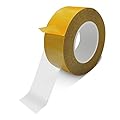


What Are Athletic Tapes and Wraps?
Athletic tapes and wraps are specialized materials used to support and protect various parts of the body during physical activity. They come in a variety of forms, including rigid tapes, elastic wraps, kinesiology tapes, and pre-wraps, each designed for specific purposes. These products are commonly used to stabilize joints, prevent injuries, reduce swelling, and provide pain relief. They are widely used in sports like football, basketball, running, and weightlifting, as well as in physical therapy and rehabilitation settings.
The primary goal of athletic tapes and wraps is to enhance performance while minimizing the risk of injury. By offering external support to vulnerable areas like ankles, wrists, knees, and shoulders, these products help athletes move with confidence. They also play a crucial role in injury recovery by limiting excessive movement, reducing strain, and promoting proper alignment during healing.
Types of Athletic Tapes and Wraps
The athletic tapes and wraps category includes a range of products, each tailored to specific needs and applications. Below are the most common types available:
Rigid Athletic Tape
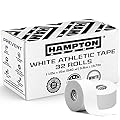
Rigid athletic tape, often referred to as sports tape or zinc oxide tape, is a non-elastic tape designed to provide strong, stable support to joints and muscles. It is typically made from cotton or a cotton-blend material coated with a zinc oxide adhesive for secure adhesion. Rigid tape is commonly used to immobilize joints, such as ankles or wrists, to prevent sprains or strains during high-impact activities.
This type of tape is ideal for situations where maximum stability is needed, such as in contact sports or when recovering from an injury. It restricts movement to protect ligaments and tendons, making it a go-to choice for athletes who need firm support. However, its lack of elasticity means it’s less suited for areas requiring flexibility.
Kinesiology Tape
Kinesiology tape, popularized by its colorful and stretchy design, has become a staple in sports and rehabilitation. Unlike rigid tape, kinesiology tape is highly elastic, mimicking the skin’s natural flexibility. It is designed to support muscles and joints without restricting movement, making it ideal for dynamic activities like running, cycling, or swimming.
The unique adhesive pattern of kinesiology tape allows it to lift the skin slightly, promoting blood flow, reducing swelling, and alleviating pain. It’s often used for muscle soreness, minor injuries, and improving proprioception (the body’s awareness of its position in space). Kinesiology tape is also water-resistant, allowing athletes to wear it during sweaty workouts or even in water-based activities.
Elastic Wraps and Bandages
Elastic wraps, also known as cohesive bandages or self-adhesive wraps, are flexible, stretchy materials that stick to themselves without adhering to the skin. These wraps are commonly used for compression, support, and securing other tapes or dressings. They are highly versatile and can be applied to various body parts, including knees, elbows, and thighs.
Elastic wraps are popular for their ease of use and reusability. They provide adjustable compression, making them ideal for managing swelling or stabilizing minor injuries. These wraps are often used in conjunction with other tapes or as a standalone solution for light support.
Pre-Wrap
Pre-wrap is a thin, foam-like material applied before rigid athletic tape to protect the skin and improve comfort. It acts as a barrier between the skin and the adhesive tape, reducing irritation and making tape removal easier. Pre-wrap is lightweight, breathable, and slightly stretchy, conforming to the body’s contours.
This product is especially useful for athletes who tape frequently, as it minimizes skin irritation and hair pulling. Pre-wrap can also be used on its own for light compression or to hold ice packs in place during injury treatment.
Specialty Tapes and Wraps
In addition to the standard options, there are specialty tapes and wraps designed for specific needs. For example, waterproof tapes are ideal for swimmers or athletes competing in wet conditions. Hypoallergenic tapes cater to those with sensitive skin, reducing the risk of allergic reactions. Some wraps are infused with cooling or heating elements to provide therapeutic benefits during application.
Benefits of Athletic Tapes and Wraps
Athletic tapes and wraps offer a wide range of benefits for athletes and active individuals. Here are some of the key advantages:
Injury Prevention
One of the primary uses of athletic tapes and wraps is to prevent injuries. By stabilizing joints and muscles, these products reduce the risk of sprains, strains, and overuse injuries. For example, taping an ankle before a soccer match can provide extra support to prevent rolling or twisting during sudden movements.
Enhanced Performance
Athletic tapes and wraps can improve performance by boosting confidence and reducing discomfort. Kinesiology tape, for instance, supports muscles during repetitive motions, allowing athletes to maintain proper form and endurance. Rigid tape can help stabilize joints, enabling athletes to push their limits without fear of injury.
Pain Relief and Recovery
For those recovering from injuries, tapes and wraps can alleviate pain and promote healing. Kinesiology tape, with its ability to improve circulation, can reduce swelling and discomfort in sore muscles. Elastic wraps provide compression to manage inflammation, while rigid tape limits movement to protect healing tissues.
Versatility
Athletic tapes and wraps are incredibly versatile, suitable for a wide range of activities and body parts. From taping fingers for climbing to wrapping knees for weightlifting, these products adapt to various needs. They can also be used in non-athletic settings, such as in physical therapy or for managing chronic conditions like arthritis.
Easy Application
Most athletic tapes and wraps are designed for easy application, even for beginners. Pre-cut kinesiology tape strips, for example, eliminate the need for scissors, while cohesive bandages stick to themselves without requiring additional clips or fasteners. With proper technique, anyone can apply these products effectively.
How to Choose the Right Athletic Tape or Wrap
Selecting the right athletic tape or wrap depends on several factors, including the activity, body part, and desired level of support. Here are some key considerations to guide your decision:
Activity Type
The type of activity you’re engaging in plays a significant role in choosing the right product. High-impact sports like football or rugby may require rigid tape for maximum joint stability. Endurance activities like marathon running might benefit from kinesiology tape to support muscles without restricting movement. For general compression or light support, elastic wraps are a great choice.
Body Part
Different body parts have unique needs when it comes to taping and wrapping. For example, ankles and wrists often require rigid tape for immobilization, while larger muscle groups like the quadriceps or hamstrings may benefit from kinesiology tape’s flexibility. Consider the size and shape of the area you’re taping to ensure proper fit and coverage.
Skin Sensitivity
If you have sensitive skin or are prone to allergies, opt for hypoallergenic tapes or pre-wrap to minimize irritation. Always test a small area of skin before applying tape for an extended period, especially if you’re using a new product.
Duration of Use
Consider how long you’ll need to wear the tape or wrap. Kinesiology tape is designed for multi-day wear, often lasting three to five days, even through showers and workouts. Rigid tape and elastic wraps are typically used for shorter durations, such as during a single game or training session.
Environmental Conditions
If you’re participating in water-based activities or expect to sweat heavily, choose waterproof or water-resistant products. Kinesiology tape is often water-resistant, while some rigid tapes are specifically designed for wet environments.
Ease of Application
If you’re new to taping, look for user-friendly options like pre-cut kinesiology tape or self-adhesive wraps. These products require less skill to apply and are less likely to cause discomfort if applied incorrectly.
Proper Application Techniques
To maximize the benefits of athletic tapes and wraps, proper application is essential. Here are some general tips for applying different types of products:
Preparing the Skin
Before applying tape, ensure the skin is clean, dry, and free of oils or lotions. Shaving hair from the area can improve adhesion and make removal less painful. For kinesiology tape, slightly stretching the skin during application can enhance its effectiveness.
Applying Rigid Tape
When using rigid athletic tape, start with a layer of pre-wrap to protect the skin. Apply the tape in a firm, overlapping pattern to create a stable structure around the joint. Avoid wrapping too tightly, as this can restrict blood flow and cause discomfort. Secure the ends with additional tape to prevent peeling.
Using Kinesiology Tape
Kinesiology tape should be applied with the muscle or joint in a stretched position to allow for proper tension. Cut the tape to the desired length or use pre-cut strips, and round the edges to prevent peeling. Apply the tape with minimal stretch for general support or slight stretch for targeted muscle relief.
Wrapping with Elastic Bandages
When using elastic wraps, start with a loose anchor wrap around the body part, then overlap the wrap in a spiral pattern, applying consistent pressure. Avoid wrapping too tightly, as this can impede circulation. Secure the end by tucking it under or using the self-adhesive properties of the wrap.
Removing Tape and Wraps
To remove tape, gently peel it back in the direction of hair growth to minimize discomfort. Use scissors to cut through rigid tape if needed, and apply warm water or adhesive remover to loosen kinesiology tape. For elastic wraps, simply unwind and store for reuse if applicable.
Common Uses in Sports and Fitness
Athletic tapes and wraps are used across a wide range of sports and fitness activities. Here are some examples of how they’re applied in specific contexts:
Running and Track
Runners often use kinesiology tape to support their knees, shins, or Achilles tendons during long-distance events. The tape helps reduce muscle fatigue and prevents shin splints or tendonitis. Elastic wraps may also be used for compression to manage swelling after a race.
Team Sports
In sports like basketball, soccer, and volleyball, rigid tape is commonly used to stabilize ankles and wrists. Kinesiology tape is also popular for supporting larger muscle groups, such as the quadriceps or hamstrings, during intense gameplay.
Strength Training
Weightlifters and CrossFit athletes use wraps and tapes to protect joints like the wrists and knees during heavy lifts. Elastic wraps provide compression and stability, while kinesiology tape can alleviate muscle soreness from repetitive movements.
Rehabilitation and Physical Therapy
In physical therapy, tapes and wraps are used to support healing tissues and improve mobility. Kinesiology tape is particularly effective for reducing swelling and promoting circulation, while rigid tape may be used to limit movement in injured joints.
Caring for Your Athletic Tapes and Wraps
To ensure longevity and effectiveness, proper care and storage of athletic tapes and wraps are important. Store products in a cool, dry place away from direct sunlight to maintain adhesive quality. For reusable wraps, clean them according to the manufacturer’s instructions, typically with mild soap and water, and allow them to air dry. Avoid reusing single-use tapes, as their adhesive properties may weaken, reducing effectiveness.
Innovations in Athletic Tapes and Wraps
The athletic tapes and wraps industry continues to evolve, with new technologies enhancing performance and comfort. Recent innovations include tapes with embedded sensors to monitor muscle activity, eco-friendly materials for sustainability, and advanced adhesives for longer wear. Some brands are also developing tapes with antimicrobial properties to reduce the risk of skin infections during extended use.