
Burn Care
Shop trusted burn care products including burn creams, gels, dressings, and first aid supplies. Designed to relieve pain, prevent infection, and promote healing for minor to severe burns.


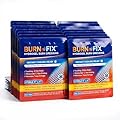


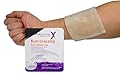
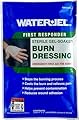
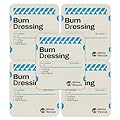
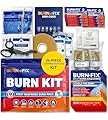
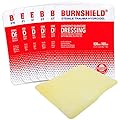
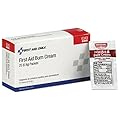
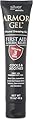

Understanding Burn Types and Severity
Burns are classified into three main categories based on their severity: first-degree, second-degree, and third-degree burns. Each type requires specific care, and the burn care product category is designed to address these varying needs.
First-Degree Burns
First-degree burns affect only the outer layer of the skin (epidermis). They are characterized by redness, mild swelling, and pain, such as those caused by a minor sunburn or brief contact with a hot surface. Burn care products for first-degree burns focus on cooling the skin, relieving pain, and preventing dehydration of the affected area. Cooling gels, aloe vera-based creams, and non-adhesive dressings are commonly used to soothe these burns and promote healing.
Second-Degree Burns
Second-degree burns penetrate deeper, affecting both the epidermis and the underlying dermis. These burns cause blisters, intense pain, and redness, and they may require more intensive care. Products like hydrogel dressings, silver-based antimicrobial creams, and foam dressings are often recommended to keep the wound moist, prevent infection, and support tissue regeneration. These products help reduce the risk of complications while providing comfort during the healing process.
Third-Degree Burns
Third-degree burns are the most severe, destroying both the epidermis and dermis and sometimes affecting deeper tissues. These burns often appear white, charred, or leathery and require immediate medical attention. Burn care products for third-degree burns are typically used in clinical settings and include advanced wound dressings, such as silicone-based sheets or collagen dressings, to promote healing and prepare the skin for potential surgical interventions like skin grafts.
Key Features of Burn Care Products
Burn care products are designed with specific features to address the unique challenges of burn injuries. These features ensure that the products are effective, safe, and easy to use for both professionals and individuals.
Pain Relief and Cooling
Burns are often accompanied by intense pain and a burning sensation. Many burn care products incorporate cooling agents, such as water-based gels or menthol-infused creams, to provide immediate relief. These products help lower the skin’s temperature, reducing discomfort and preventing further tissue damage. For example, hydrogel dressings are highly effective at cooling the wound while maintaining a moist environment conducive to healing.
Infection Prevention
Burns compromise the skin’s protective barrier, making the affected area susceptible to infections. Many burn care products contain antimicrobial agents, such as silver or iodine, to reduce the risk of bacterial growth. Silver sulfadiazine cream, for instance, is a staple in burn care for its ability to prevent and treat infections in second- and third-degree burns.
Moisture Retention
Maintaining a moist wound environment is critical for burn healing, as it promotes cell regeneration and prevents the wound from drying out. Hydrocolloid and hydrogel dressings are designed to lock in moisture while allowing the wound to breathe, creating an optimal healing environment. These dressings also help reduce scarring by keeping the wound soft and pliable.
Ease of Application and Removal
Burn care products are designed to be user-friendly, with non-adhesive materials that prevent sticking to the wound. This feature is particularly important for second- and third-degree burns, where frequent dressing changes are necessary. Non-stick dressings, such as silicone or foam-based options, allow for pain-free removal, reducing trauma to the healing tissue.
Scar Management
Minimizing scarring is a key concern in burn care, especially for visible areas like the face or hands. Silicone sheets and gels are widely used to flatten and soften scars, improving both the aesthetic and functional outcomes of burn recovery. These products work by hydrating the scar tissue and regulating collagen production, leading to smoother, less noticeable scars.
Types of Burn Care Products
The burn care product category includes a diverse range of items, each designed to address specific aspects of burn treatment and recovery. Below is an overview of the most common types of products available.
Burn Gels and Creams
Burn gels and creams are often the first line of defense for minor burns. These products typically contain aloe vera, lidocaine, or other soothing ingredients to cool the skin and alleviate pain. They are easy to apply and ideal for home use, providing quick relief for first-degree burns and minor second-degree burns. Some gels also include antimicrobial properties to protect against infection.
Burn Dressings
Burn dressings are essential for managing more severe burns. These include:
-
Hydrogel Dressings: These water-based dressings provide cooling and moisture to the wound, promoting healing and reducing pain. They are ideal for first- and second-degree burns.
-
Foam Dressings: These absorbent dressings are designed for burns with moderate to heavy exudate, keeping the wound clean and preventing infection.
-
Silicone Dressings: Used for both wound healing and scar management, silicone dressings are flexible and conform to the skin, making them suitable for burns on joints or irregularly shaped areas.
-
Antimicrobial Dressings: Infused with silver or other antimicrobial agents, these dressings are critical for preventing infections in deeper burns.
Burn Bandages
Burn bandages are designed to protect the wound while allowing it to heal. They come in various forms, including non-adhesive pads, transparent films, and self-adhesive wraps. These bandages are often used in conjunction with gels or creams to provide a protective barrier against external contaminants.
Pain Relief Medications
Topical and oral pain relief medications are an important part of burn care, especially for moderate to severe burns. Topical anesthetics, such as lidocaine-based creams, provide localized pain relief, while oral medications like ibuprofen or acetaminophen help manage systemic discomfort.
Scar Treatment Products
Scar treatment products, such as silicone gels and sheets, are used in the later stages of burn recovery to minimize scarring. These products are applied directly to healed skin to improve texture, color, and elasticity, helping individuals regain confidence in their appearance.
Benefits of Using Burn Care Products
Burn care products offer numerous benefits that make them indispensable for both home and clinical use. These benefits include:
-
Faster Healing: By maintaining a moist wound environment and preventing infection, burn care products accelerate the healing process, reducing recovery time.
-
Reduced Pain: Cooling gels, anesthetic creams, and non-stick dressings minimize discomfort, making the healing process more tolerable.
-
Infection Prevention: Antimicrobial properties in many burn care products protect against bacteria, reducing the risk of complications.
-
Improved Aesthetic Outcomes: Scar management products help reduce the visibility of scars, improving the appearance of healed skin.
-
Versatility: Burn care products are suitable for a wide range of burn types and severities, from minor sunburns to severe third-degree burns requiring medical intervention.
How to Choose the Right Burn Care Product
Selecting the appropriate burn care product depends on several factors, including the type and severity of the burn, the location of the injury, and the individual’s specific needs. Here are some tips for choosing the right product:
-
Assess the Burn Severity: For minor burns, over-the-counter gels and creams may suffice. For deeper burns, consult a healthcare professional to determine the need for advanced dressings or prescription medications.
-
Consider the Wound Location: Burns on joints or areas with high mobility require flexible, conformable dressings like silicone or foam. For facial burns, scar management products are often a priority.
-
Check for Allergies: Ensure the product is free from ingredients that may cause allergic reactions, such as certain antimicrobial agents or adhesives.
-
Evaluate Ease of Use: For home care, choose products that are easy to apply and remove, such as non-stick bandages or pre-packaged hydrogel dressings.
-
Consult a Professional: For second- and third-degree burns, always seek medical advice to ensure the chosen products align with the treatment plan.
Burn Care for Different Settings
Burn care products are used in various settings, from households to hospitals, each requiring tailored solutions.
Home Use
For minor burns, such as those caused by cooking accidents or sunburn, over-the-counter burn care products like aloe vera gels, cooling sprays, and non-adhesive bandages are ideal. These products are easy to use and readily available, making them perfect for quick first aid.
Clinical Settings
In hospitals and burn centers, advanced burn care products are used to manage severe burns. These include antimicrobial dressings, collagen-based wound fillers, and specialized bandages designed for long-term wound care. Healthcare professionals also use scar management products to support patients through the recovery process.
Emergency Response
First responders and paramedics rely on portable burn care products, such as burn gels and sterile dressings, to provide immediate care at the scene of an injury. These products are designed for rapid application, helping stabilize the patient before they reach a medical facility.
Innovations in Burn Care
The burn care industry is continuously evolving, with new technologies and materials improving the effectiveness of products. Recent innovations include:
-
Nanotechnology-Based Dressings: These advanced dressings use nanoparticles to deliver antimicrobial agents directly to the wound, enhancing infection prevention.
-
Bioengineered Skin Substitutes: For severe burns, bioengineered products mimic natural skin, promoting tissue regeneration and reducing the need for grafts.
-
Smart Dressings: Some modern dressings incorporate sensors to monitor wound healing, alerting healthcare providers to signs of infection or delayed recovery.
-
Plant-Based Gels: Natural ingredients like aloe vera and honey are being combined with advanced delivery systems to create eco-friendly, effective burn care solutions.