
Defibrillators
Shop advanced defibrillators including automated external defibrillators (AEDs) and manual units. Essential life-saving devices for workplaces, public spaces, and medical professionals.



What Are Defibrillators?
Defibrillators are portable or stationary electronic devices that analyze a patient’s heart rhythm and deliver an electric shock when necessary to correct dangerous irregularities. The primary goal of a defibrillator is to treat sudden cardiac arrest, a condition that claims millions of lives globally each year. When a person’s heart enters an abnormal rhythm, such as ventricular fibrillation, the heart’s ability to pump blood is compromised, leading to unconsciousness and, without intervention, death within minutes. Defibrillators are designed to act quickly, either automatically or with user input, to restore a viable heart rhythm.
The technology behind defibrillators has evolved significantly since their inception in the mid-20th century. Early models were bulky, manually operated devices used exclusively by medical professionals. Today, defibrillators range from sophisticated hospital-grade equipment to compact, user-friendly devices accessible to laypersons in public spaces. Their widespread availability and ease of use have made them a cornerstone of emergency medical care.
Types of Defibrillators
Defibrillators come in various forms, each tailored to specific settings, users, and medical needs. Understanding the different types helps in selecting the right device for a particular environment, whether it’s a hospital, ambulance, or public space.
Automated External Defibrillators (AEDs)
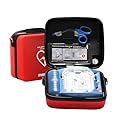
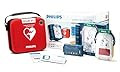
Automated External Defibrillators (AEDs) are portable, user-friendly devices designed for use by non-medical personnel, such as first responders, security personnel, or even bystanders. AEDs are commonly found in public places like airports, schools, gyms, and shopping malls. These devices are equipped with voice prompts, visual instructions, and automated analysis systems that guide users through the process of delivering a shock. AEDs analyze the patient’s heart rhythm and determine whether a shock is necessary, reducing the risk of misuse.
AEDs are lightweight, battery-operated, and designed for rapid deployment in emergencies. They typically use adhesive electrode pads that are placed on the patient’s chest to monitor heart activity and deliver a shock if needed. Their simplicity and accessibility have made AEDs a vital tool in increasing survival rates for sudden cardiac arrest outside hospital settings.
Manual Defibrillators
Manual defibrillators are advanced devices used primarily by trained medical professionals, such as paramedics, emergency room staff, or cardiologists. Unlike AEDs, manual defibrillators require the user to interpret the patient’s heart rhythm and decide when and how to deliver a shock. These devices offer greater control over the energy level and timing of the shock, making them suitable for complex medical scenarios.
Manual defibrillators are often found in hospitals, ambulances, and other clinical settings. They may include additional features like electrocardiogram (ECG) monitoring, pacing capabilities, and integration with other medical equipment. Their versatility makes them essential in environments where precise medical intervention is critical.
Implantable Cardioverter Defibrillators (ICDs)
Implantable Cardioverter Defibrillators (ICDs) are small, surgically implanted devices designed for patients at high risk of recurrent cardiac arrhythmias. ICDs continuously monitor the heart’s rhythm and automatically deliver shocks or pacing therapy when an abnormal rhythm is detected. These devices are typically recommended for individuals with a history of sudden cardiac arrest, heart failure, or certain genetic heart conditions.
ICDs consist of a pulse generator, which houses the battery and electronics, and leads that connect to the heart. Modern ICDs are compact, with some models small enough to fit in the palm of a hand. They can also store data on heart activity, which doctors can use to adjust treatment plans. ICDs provide long-term protection and peace of mind for patients with chronic heart conditions.
Wearable Cardioverter Defibrillators (WCDs)
Wearable Cardioverter Defibrillators (WCDs) are non-invasive, temporary solutions for patients at risk of sudden cardiac arrest but not yet candidates for an ICD. WCDs are worn like a vest or harness and continuously monitor the wearer’s heart rhythm. If a life-threatening arrhythmia is detected, the device alerts the wearer and delivers a shock if the arrhythmia persists.
WCDs are often prescribed for patients recovering from a heart attack, awaiting ICD implantation, or undergoing evaluation for heart conditions. They offer a bridge to more permanent solutions while allowing patients to maintain mobility and independence.
Key Features of Defibrillators
Defibrillators are designed with a range of features to ensure reliability, ease of use, and effectiveness in emergencies. While specific features vary by model and type, the following are common across many devices.
Biphasic Waveform Technology
Most modern defibrillators use biphasic waveform technology, which delivers an electric shock in two phases, moving current in one direction and then reversing it. This approach is more effective at restoring normal heart rhythm compared to older monophasic waveforms and requires less energy, reducing potential damage to heart tissue. Biphasic defibrillators are standard in both AEDs and manual devices.
User-Friendly Interfaces
AEDs, in particular, are designed with intuitive interfaces to accommodate users with minimal or no medical training. Clear voice prompts, illuminated buttons, and step-by-step instructions guide users through the process of attaching electrodes, analyzing heart rhythm, and delivering a shock. Some models also provide multilingual support or visual displays for accessibility.
Durability and Portability
Defibrillators, especially AEDs, are built to withstand challenging environments. They are often encased in rugged, water-resistant materials to ensure functionality in adverse conditions, such as rain or extreme temperatures. Portability is a key consideration, with many AEDs weighing less than five pounds, making them easy to carry to an emergency scene.
Advanced Monitoring and Connectivity
High-end defibrillators, such as those used in hospitals, often include advanced monitoring capabilities, such as real-time ECG tracking, pulse oximetry, and blood pressure measurement. Some models offer wireless connectivity, allowing data to be transmitted to medical teams or stored for later analysis. This feature is particularly valuable in coordinating care during emergencies.
Self-Testing and Maintenance Alerts
To ensure readiness, many defibrillators perform regular self-tests to check battery levels, electrode functionality, and internal systems. If an issue is detected, the device may emit visual or audible alerts to prompt maintenance. This feature is critical for AEDs in public spaces, where regular checks may not be feasible.
Applications of Defibrillators
Defibrillators are used across a wide range of settings, from clinical environments to community spaces. Their versatility and lifesaving potential make them indispensable in various scenarios.
Emergency Medical Services (EMS)
Paramedics and first responders rely on manual defibrillators and AEDs to treat sudden cardiac arrest in the field. These devices are often integrated into ambulances and emergency kits, allowing responders to act quickly during the critical minutes following a cardiac event. The portability and durability of these devices ensure they can be used in diverse environments, from urban streets to remote areas.
Hospitals and Clinics
In hospitals, manual defibrillators are a staple in emergency rooms, intensive care units, and operating theaters. They are used during cardiac emergencies, surgical procedures, and diagnostic tests where arrhythmias may occur. Their advanced features allow medical teams to tailor treatment to the patient’s condition.
Public Access Defibrillation Programs
Public access defibrillation (PAD) programs aim to increase the availability of AEDs in high-traffic areas, such as schools, workplaces, and transportation hubs. These programs train community members to recognize cardiac arrest, perform CPR, and use AEDs effectively. By making defibrillators widely available, PAD programs significantly improve survival rates for out-of-hospital cardiac arrests.
Home Use
For individuals at high risk of sudden cardiac arrest, AEDs or WCDs may be recommended for home use. These devices provide peace of mind for patients and their families, particularly in cases where immediate access to emergency services may not be possible. Training family members to use an AED can further enhance preparedness.
Sports and Fitness Facilities
Gyms, sports arenas, and fitness centers are common locations for AEDs due to the increased risk of cardiac events during physical exertion. Coaches, trainers, and staff are often trained to use these devices, ensuring rapid response in case of an emergency.
Benefits of Defibrillators
The widespread use of defibrillators has transformed emergency medical care, offering numerous benefits to patients, healthcare providers, and communities.
Increased Survival Rates
The timely use of a defibrillator can significantly improve survival rates for sudden cardiac arrest. Studies show that defibrillation within the first few minutes of an arrest can increase survival chances by up to 70%. AEDs, in particular, have made it possible for non-medical individuals to deliver this lifesaving intervention.
Accessibility for Non-Professionals
AEDs have democratized access to defibrillation, allowing laypersons to act as first responders. Their automated features and clear instructions make it possible for anyone to use them effectively, bridging the gap until professional help arrives.
Versatility Across Settings
From hospitals to remote hiking trails, defibrillators are designed to function in diverse environments. Their adaptability ensures that lifesaving technology is available wherever cardiac emergencies may occur.
Long-Term Protection
For patients with chronic heart conditions, ICDs and WCDs provide ongoing monitoring and intervention, reducing the risk of sudden death. These devices allow individuals to lead active lives with greater confidence in their safety.
Choosing the Right Defibrillator
Selecting a defibrillator depends on the intended use, user expertise, and environment. For public spaces, AEDs with simple interfaces and robust designs are ideal. In clinical settings, manual defibrillators with advanced features are preferred for their precision and versatility. For individuals at risk, ICDs or WCDs may be recommended based on medical history and lifestyle.
Key considerations when choosing a defibrillator include ease of use, battery life, durability, and maintenance requirements. For organizations implementing PAD programs, factors like cost, training resources, and device placement should also be evaluated. Consulting with medical professionals or defibrillator suppliers can help ensure the right choice for specific needs.