
Eye Wash Units
Shop reliable eye wash units for fast, effective emergency eye irrigation. Wall-mounted, portable & plumbed stations for labs, workplaces, and industrial sites.
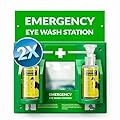

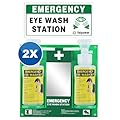




What Are Eye Wash Units?
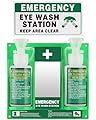
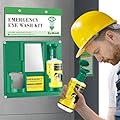
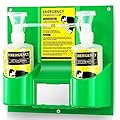
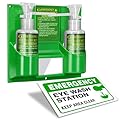
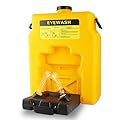
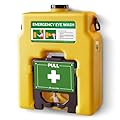
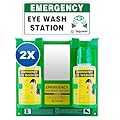
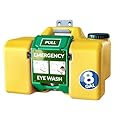
Eye wash units, also known as eyewash stations or emergency eyewash systems, are specialized equipment designed to deliver a controlled stream of water or a sterile saline solution to flush contaminants from the eyes or face. They are typically installed in environments where workers may be exposed to chemicals, dust, fumes, or other hazardous materials that could harm the eyes. These units are engineered to provide immediate relief, allowing individuals to rinse their eyes quickly and effectively to minimize injury.
Eye wash units come in various forms, including wall-mounted stations, portable units, combination shower and eyewash systems, and handheld devices. Each type is designed to meet specific workplace needs, ensuring accessibility and ease of use in emergencies. The primary goal of an eye wash unit is to dilute or remove harmful substances from the eyes, preventing burns, irritation, or permanent vision damage.
Why Are Eye Wash Units Important?
Eye injuries in the workplace can have devastating consequences, ranging from temporary discomfort to permanent vision loss. According to occupational safety standards, such as those set by OSHA (Occupational Safety and Health Administration) and ANSI (American National Standards Institute), employers are required to provide accessible eye wash stations in areas where employees are at risk of exposure to hazardous materials. Eye wash units play a vital role in:
-
Preventing Permanent Damage: Quick access to an eye wash unit can reduce the severity of chemical burns or foreign object injuries, potentially saving a person’s vision.
-
Ensuring Compliance: Regulatory bodies mandate the installation of eye wash stations in certain industries to meet safety standards, avoiding costly fines and ensuring worker safety.
-
Promoting Workplace Safety Culture: Having eye wash units readily available demonstrates an employer’s commitment to employee well-being, fostering trust and preparedness.
-
Providing Immediate Response: In emergencies, every second counts. Eye wash units allow workers to act swiftly, reducing the time harmful substances remain in contact with the eyes.
Types of Eye Wash Units
Eye wash units are available in a variety of designs to suit different workplace environments and requirements. Below are the primary types of eye wash units, each tailored to specific use cases:
1. Wall-Mounted Eye Wash Stations
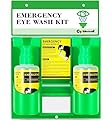
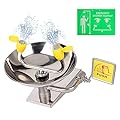
Wall-mounted eye wash stations are fixed units typically installed in high-risk areas such as chemical labs, manufacturing plants, or construction sites. These stations are connected to a plumbed water supply, ensuring a continuous flow of clean water for flushing. Key features include:
-
Dual Nozzles: Most wall-mounted units feature two nozzles that deliver a gentle, aerated stream of water to both eyes simultaneously.
-
Hands-Free Operation: Many models are equipped with a stay-open valve, allowing users to keep their hands free to hold their eyelids open during flushing.
-
High Visibility: These units are often brightly colored and clearly marked for easy identification in emergencies.
Wall-mounted stations are ideal for facilities with consistent access to a water supply and are designed to meet ANSI Z358.1 standards, which require a continuous flow of water for at least 15 minutes.
2. Portable Eye Wash Units
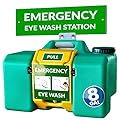
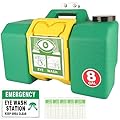
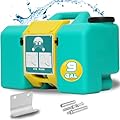
Portable eye wash units are self-contained systems that do not require plumbing, making them ideal for remote locations, temporary worksites, or areas without access to a water supply. These units typically use a sealed tank filled with a sterile saline solution or potable water. Key benefits include:
-
Mobility: Portable units can be easily moved to different locations, making them versatile for construction sites, field operations, or mobile workstations.
-
Ease of Installation: No plumbing is required, allowing for quick setup in any environment.
-
Compact Design: Many portable units are lightweight and compact, fitting into tight spaces or small work areas.
Portable eye wash units are often equipped with a gravity-fed system or a pressurized tank to ensure a consistent flow. They are especially useful for outdoor or temporary worksites where immediate access to water is limited.
3. Combination Eye Wash and Shower Units
Combination units integrate an eye wash station with an emergency shower, providing a comprehensive solution for flushing both the eyes and body in the event of chemical exposure. These units are common in industrial settings where workers may be exposed to large quantities of hazardous substances. Features include:
-
Dual Functionality: A single unit provides both eye and body flushing, saving space and ensuring comprehensive emergency response.
-
Robust Construction: Combination units are typically made of durable materials like stainless steel to withstand harsh environments.
-
Compliance: These units meet stringent ANSI standards for both eye wash and shower functionality, ensuring full regulatory compliance.
Combination units are ideal for large facilities, such as chemical plants or refineries, where workers face multiple types of exposure risks.
4. Handheld Eye Wash Devices
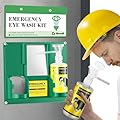
Handheld eye wash devices, such as squeeze bottles or handheld sprayers, offer a compact and portable solution for immediate eye flushing. These devices are typically filled with a sterile saline solution and are designed for single-use or limited-use scenarios. Key advantages include:
-
Portability: Handheld devices can be carried in a pocket or stored in a first aid kit, making them ideal for fieldwork or small-scale operations.
-
Ease of Use: The simple design allows users to quickly apply the solution to their eyes without complex setup.
-
Cost-Effective: Handheld devices are often more affordable than plumbed or gravity-fed systems, making them suitable for low-risk environments.
While handheld devices are convenient, they are not a substitute for plumbed or portable stations in high-risk areas, as they may not provide the required 15-minute flushing duration.
5. Faucet-Mounted Eye Wash Units
Faucet-mounted eye wash units attach directly to an existing sink faucet, converting it into an emergency eye wash station. These units are ideal for laboratories or small workspaces with limited room for standalone equipment. Features include:
-
Space-Saving Design: Faucet-mounted units integrate seamlessly with existing plumbing, eliminating the need for additional fixtures.
-
Dual-Purpose Functionality: Many models allow the faucet to function normally for regular use while switching to eye wash mode when needed.
-
Cost-Effective Installation: These units are easy to install and require minimal modifications to existing plumbing.
Faucet-mounted units are best suited for environments with moderate risk levels and access to a sink.
Key Features to Look for in Eye Wash Units
When selecting an eye wash unit, it’s essential to consider features that enhance usability, compliance, and effectiveness. Here are some key factors to evaluate:
-
Flow Rate and Pressure: The unit should deliver a gentle, controlled stream of water or saline solution to avoid further injury to the eyes. ANSI standards require a flow rate of at least 0.4 gallons per minute for eye wash units.
-
Accessibility: Eye wash stations must be easily accessible, located within 10 seconds or 55 feet of a potential hazard, as per ANSI Z358.1 guidelines.
-
Temperature Control: The water or flushing solution should be tepid (between 60°F and 100°F) to ensure user comfort and prevent thermal shock.
-
Durability: Units should be made of corrosion-resistant materials, such as stainless steel or high-impact plastic, to withstand harsh environments.
-
Ease of Maintenance: Regular inspection and maintenance are critical to ensure the unit is operational. Look for models with easy-to-clean nozzles and accessible components.
-
Sterility: For portable units, ensure the flushing solution is sterile and sealed to prevent contamination.
Applications of Eye Wash Units
Eye wash units are used across a wide range of industries and settings where eye safety is a concern. Some common applications include:
-
Laboratories: Research and testing facilities often handle chemicals, acids, and other substances that pose a risk to the eyes.
-
Manufacturing Plants: Workers in manufacturing may be exposed to dust, debris, or chemical splashes during production processes.
-
Construction Sites: Dust, dirt, and construction materials can easily enter the eyes, requiring immediate flushing.
-
Healthcare Facilities: Medical settings may involve exposure to biological agents or chemicals, necessitating eye wash stations.
-
Chemical Processing Plants: These facilities handle large quantities of hazardous materials, making eye wash units essential for worker safety.
-
Educational Institutions: Schools and universities with science labs require eye wash stations to protect students and staff.
Compliance and Standards
Eye wash units must comply with strict safety standards to ensure they are effective in emergencies. The ANSI Z358.1 standard is the primary guideline for eye wash stations in the United States. Key requirements include:
-
Location: Stations must be accessible within 10 seconds or 55 feet of a hazard, with no obstructions.
-
Flow Duration: Units must provide a continuous flow of water or solution for at least 15 minutes.
-
Water Quality: The flushing fluid must be clean, potable, and free of contaminants.
-
Maintenance: Regular inspections and testing are required to ensure the unit is operational and free of blockages.
Employers must also adhere to OSHA regulations, which mandate the provision of eye wash stations in workplaces where employees are exposed to hazardous materials. Non-compliance can result in fines and increased risk to workers.
Maintenance and Care of Eye Wash Units
Proper maintenance is essential to ensure eye wash units are ready for use in an emergency. Regular care includes:
-
Weekly Testing: Activate the unit to flush out stagnant water and check for proper flow and pressure.
-
Cleaning: Clean nozzles and components to prevent bacterial growth or blockages.
-
Solution Replacement: For portable units, replace the flushing solution according to the manufacturer’s guidelines to maintain sterility.
-
Inspection: Conduct regular inspections to ensure the unit meets ANSI standards and is free of damage or leaks.
-
Training: Educate employees on the location and proper use of eye wash stations to ensure quick response in emergencies.
Choosing the Right Eye Wash Unit
Selecting the appropriate eye wash unit depends on the specific needs of your workplace. Consider the following factors:
-
Risk Level: Assess the types of hazards present, such as chemicals, dust, or biological agents, to determine the appropriate unit type.
-
Workplace Layout: Evaluate the space available for installation and whether a plumbed or portable unit is more practical.
-
Regulatory Requirements: Ensure the unit meets ANSI and OSHA standards for your industry.
-
Budget: Balance cost with functionality, prioritizing units that offer durability and compliance.
-
User Needs: Consider the number of employees and the frequency of potential exposure to hazards.
Consulting with a safety equipment supplier or occupational health expert can help you choose the right unit for your specific needs.