
Hand Sanitizers
Shop a wide selection of hand sanitizers including alcohol-based gels, sprays, and wipes. Kills 99.9% of germs and bacteria. Perfect for home, work, school, and travel.
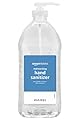


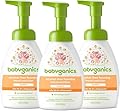
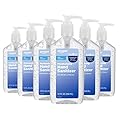

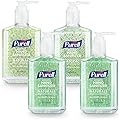
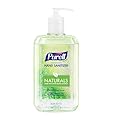



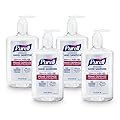
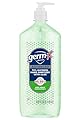

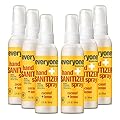
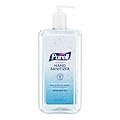
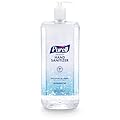

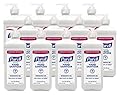
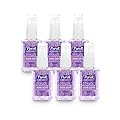

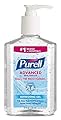
What Are Hand Sanitizers?
Hand sanitizers are portable, alcohol-based or alcohol-free products designed to kill germs and bacteria on the skin without the need for soap and water. Available in various forms such as gels, sprays, foams, and wipes, they provide a quick solution for hand hygiene when traditional handwashing isn’t an option. Hand sanitizers are particularly useful in situations like traveling, dining out, or handling public surfaces, where germs can easily spread.
The primary function of hand sanitizers is to reduce the number of microorganisms on the skin, helping to prevent the transmission of illnesses. They are widely used in healthcare settings, schools, workplaces, and households, making them an essential tool in maintaining public health.
Why Use Hand Sanitizers?
Hand sanitizers offer a range of benefits that make them a go-to choice for hygiene:
Convenience and Portability
Unlike soap and water, hand sanitizers don’t require a sink or running water, making them ideal for on-the-go use. Compact bottles, travel-sized containers, and single-use wipes fit easily into purses, backpacks, or pockets, ensuring you can clean your hands anytime, anywhere.
Effective Germ Protection
When used correctly, hand sanitizers can eliminate up to 99.9% of common germs and bacteria, including those that cause colds, flu, and other infections. Alcohol-based sanitizers, in particular, are highly effective at breaking down the outer layers of bacteria and viruses, rendering them inactive.
Time-Saving Solution
Hand sanitizers work quickly, often within 20-30 seconds, allowing you to clean your hands in a fraction of the time it takes to wash with soap and water. This makes them a practical choice for busy individuals or high-traffic environments like airports and shopping malls.
Skin Moisturization
Many modern hand sanitizers include moisturizing ingredients like aloe vera, glycerin, or vitamin E to counteract the drying effects of alcohol. This ensures your hands stay soft and hydrated, even with frequent use.
Versatility
Hand sanitizers come in various forms to suit different preferences and needs. Whether you prefer a quick-drying gel, a refreshing spray, or a convenient wipe, there’s a product designed to fit your lifestyle.
Types of Hand Sanitizers
Hand sanitizers are available in several formats, each with unique features and benefits. Choosing the right type depends on your preferences, skin type, and intended use.
Alcohol-Based Hand Sanitizers
Alcohol-based sanitizers are the most common and effective type, typically containing 60-95% alcohol (ethanol or isopropyl alcohol). They work by denaturing the proteins of bacteria and viruses, effectively killing them. These sanitizers are available as gels, sprays, or foams and are recommended by health authorities for their proven efficacy.
-
Gel Sanitizers: Thick and easy to apply, gel sanitizers are popular for their smooth texture and ability to spread evenly across the hands. They often include moisturizers to prevent dryness.
-
Spray Sanitizers: Lightweight and quick-drying, spray sanitizers are ideal for those who prefer a less sticky feel. They’re also great for covering larger areas of the hands quickly.
-
Foam Sanitizers: Foam sanitizers create a rich lather that feels luxurious and spreads easily. They’re often used in professional settings like hospitals or offices.
Alcohol-Free Hand Sanitizers
Alcohol-free sanitizers use alternative antimicrobial agents, such as benzalkonium chloride or triclosan, to kill germs. These are gentler on sensitive skin and less drying, making them suitable for children or individuals with skin conditions like eczema. However, they may be less effective against certain viruses compared to alcohol-based options.
Hand Sanitizer Wipes
Sanitizer wipes combine the convenience of hand sanitizers with the tactile cleaning power of a cloth. They’re perfect for removing dirt and grime in addition to killing germs, making them a great choice for outdoor activities or travel.
Natural and Organic Hand Sanitizers
For those seeking eco-friendly or chemical-free options, natural and organic hand sanitizers use plant-based ingredients like essential oils (tea tree, lavender, or eucalyptus) for their antimicrobial properties. These products appeal to environmentally conscious consumers but may vary in effectiveness compared to alcohol-based sanitizers.
Key Ingredients in Hand Sanitizers
Understanding the ingredients in hand sanitizers can help you choose a product that’s effective and gentle on your skin. Here are the primary components found in most hand sanitizers:
Alcohol
Ethanol (ethyl alcohol) or isopropyl alcohol is the active ingredient in most hand sanitizers, typically making up 60-95% of the formula. The concentration is crucial—products with at least 60% alcohol are most effective at killing germs.
Water
Water serves as a carrier for the active ingredients, helping to dilute the alcohol and create a spreadable consistency.
Moisturizers
Ingredients like aloe vera, glycerin, or vitamin E are added to prevent skin dryness and irritation, especially in alcohol-based sanitizers.
Fragrances and Essential Oils
Many hand sanitizers include fragrances or essential oils to enhance the user experience. Scents like lavender, citrus, or peppermint make the product more enjoyable to use, while some essential oils may offer additional antimicrobial benefits.
Antimicrobial Agents (in Alcohol-Free Sanitizers)
Alcohol-free sanitizers often contain benzalkonium chloride, a quaternary ammonium compound that kills bacteria and some viruses. While effective, it may not be as broad-spectrum as alcohol.
Thickeners
In gel sanitizers, thickeners like carbomer or cellulose create a smooth, viscous texture that makes application easier.
How to Use Hand Sanitizers Effectively
To maximize the benefits of hand sanitizers, proper application is key. Follow these steps for effective use:
-
Apply the Right Amount: Dispense a dime-sized amount of gel or foam (or 1-2 sprays) into the palm of one hand. For wipes, use a single wipe to cover all surfaces.
-
Rub Thoroughly: Rub the sanitizer over all surfaces of your hands, including the backs, between fingers, and under nails. Continue rubbing for 20-30 seconds until your hands are dry.
-
Don’t Wipe Off: Allow the sanitizer to air-dry completely to ensure it has time to kill germs effectively.
-
Use When Needed: Hand sanitizers are most effective when hands are not visibly dirty or greasy. If your hands are soiled, wash with soap and water first.
When to Use Hand Sanitizers
Hand sanitizers are a versatile tool for maintaining hygiene in various situations:
-
On the Go: Use hand sanitizers when traveling, shopping, or using public transportation to reduce germ exposure.
-
In Healthcare Settings: Sanitizers are critical in hospitals and clinics to prevent the spread of infections among patients and staff.
-
At School or Work: Keep a bottle at your desk or in your child’s backpack for quick cleaning throughout the day.
-
After Touching Surfaces: Use sanitizer after touching high-contact surfaces like doorknobs, elevator buttons, or ATMs.
-
Before Eating: Sanitize your hands before meals or snacks to avoid ingesting germs.
Choosing the Right Hand Sanitizer
With so many options available, selecting the best hand sanitizer depends on your specific needs:
Consider Your Skin Type
If you have sensitive skin, opt for alcohol-free sanitizers or those with added moisturizers to minimize irritation. Look for products labeled as hypoallergenic or dermatologist-tested.
Check the Alcohol Content
For maximum germ-killing power, choose an alcohol-based sanitizer with at least 60% alcohol. Check the label to confirm the concentration.
Evaluate the Format
Decide whether you prefer a gel, spray, foam, or wipe based on your lifestyle. Sprays are great for quick application, while wipes are ideal for cleaning dirt and germs simultaneously.
Look for Added Benefits
Some sanitizers include skin-nourishing ingredients or eco-friendly formulations. If sustainability is important, choose products with recyclable packaging or natural ingredients.
Consider Scent and Texture
Fragranced sanitizers can make the experience more pleasant, but unscented options are better for those with allergies or sensitivities. Test the texture to ensure it feels comfortable on your skin.
Hand Sanitizers for Different Audiences
Hand sanitizers are designed to meet the needs of various users, from children to professionals.
For Families
Parents often choose kid-friendly sanitizers with fun scents or colorful packaging to encourage use. Alcohol-free options or those with gentle ingredients are ideal for young children with sensitive skin.
For Professionals
In workplaces, especially in healthcare or food service, high-alcohol-content sanitizers are preferred for their efficacy. Bulk dispensers or wall-mounted units are common in these settings for easy access.
For Travelers
Travel-sized sanitizers (under 3.4 ounces) are perfect for air travel, fitting within TSA regulations. Sprays and wipes are particularly convenient for use on planes or in airports.
For Eco-Conscious Consumers
Natural and organic sanitizers with biodegradable packaging appeal to those prioritizing sustainability. Look for brands that use plant-based ingredients and avoid harsh chemicals.
The Role of Hand Sanitizers in Public Health
Hand sanitizers play a critical role in preventing the spread of infectious diseases. By reducing the number of germs on your hands, they help lower the risk of illnesses like the common cold, flu, and gastrointestinal infections. In public health campaigns, hand sanitizers are often distributed in schools, hospitals, and community centers to promote hygiene and reduce disease transmission.
During pandemics or flu seasons, hand sanitizers become even more essential, providing an accessible way to maintain hygiene in high-risk environments. Their widespread use has been credited with reducing infection rates in both community and healthcare settings.
Limitations of Hand Sanitizers
While hand sanitizers are highly effective, they’re not a complete replacement for handwashing. They don’t remove dirt, grease, or certain chemicals, and they may be less effective against some pathogens, like norovirus or certain bacterial spores. For visibly dirty hands, soap and water remain the gold standard.
Additionally, overuse of hand sanitizers, especially alcohol-based ones, can lead to dry skin or irritation if not balanced with moisturizing products. Always follow the recommended usage guidelines and pair sanitizer use with proper skincare.
Innovations in Hand Sanitizers
The hand sanitizer market has evolved significantly, with brands introducing innovative features to meet consumer demands:
-
Long-Lasting Protection: Some sanitizers offer extended germ protection for several hours after application, ideal for high-risk environments.
-
Touchless Dispensers: Wall-mounted or freestanding touchless dispensers are increasingly popular in public spaces, reducing contact with surfaces.
-
Sustainable Packaging: Eco-friendly brands are using recyclable or biodegradable materials to reduce environmental impact.
-
Scented and Designer Options: From luxury fragrances to collaborations with popular brands, sanitizers are becoming a stylish accessory.