
Heating Pads
Find effective heating pads for muscle pain, cramps, and stiffness. Choose from electric, microwaveable, and reusable heat pads for fast, soothing relief at home or on the go.
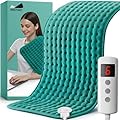
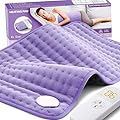




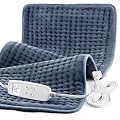

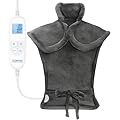
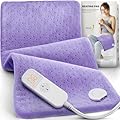
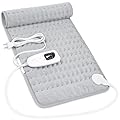
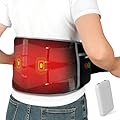





What Are Heating Pads?
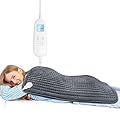
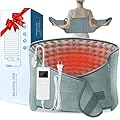
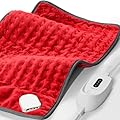
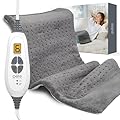
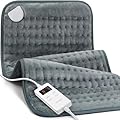
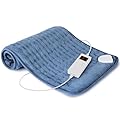
Heating pads are portable devices designed to apply heat to specific areas of the body. They typically consist of an insulated pad filled with a heating element, which generates warmth when powered on. Available in various shapes, sizes, and materials, heating pads can be used on the back, neck, shoulders, abdomen, or any area requiring relief. They work by increasing blood flow to the targeted area, which helps relax muscles, reduce stiffness, and alleviate pain. Modern heating pads come with advanced features like adjustable temperature settings, automatic shut-off, and even moist heat options for enhanced therapy.
Benefits of Using Heating Pads
Pain Relief
One of the primary benefits of heating pads is their ability to relieve pain. Heat therapy, also known as thermotherapy, is widely recognized for its effectiveness in managing various types of pain, including muscle soreness, joint stiffness, and menstrual cramps. The warmth from a heating pad helps dilate blood vessels, improving circulation and delivering oxygen and nutrients to sore or injured tissues. This process can reduce inflammation and promote faster healing, making heating pads a popular choice for those with arthritis, fibromyalgia, or sports injuries.
Muscle Relaxation
Heating pads are excellent for relaxing tense muscles. Whether you're dealing with stress-induced tightness or post-workout soreness, applying heat can help loosen muscle fibers and reduce spasms. The warmth encourages muscles to relax, which can improve flexibility and range of motion. This makes heating pads a favorite among athletes, office workers, and anyone who experiences muscle tension from daily activities.
Stress and Anxiety Reduction
The soothing warmth of a heating pad can also have a calming effect on the mind. By promoting relaxation and easing physical discomfort, heating pads can help reduce stress and anxiety. Many people find that using a heating pad during a quiet moment—perhaps while reading or meditating—creates a sense of comfort and tranquility, making it easier to unwind after a long day.
Improved Sleep Quality
Using a heating pad before bedtime can improve sleep quality, especially for those who struggle with muscle or joint pain. The warmth helps relax the body, making it easier to fall asleep and stay asleep. Additionally, heating pads can create a cozy environment, perfect for those cold nights when you need a little extra warmth to drift off comfortably.
Versatility for Various Conditions
Heating pads are incredibly versatile and can be used to address a wide range of conditions. From soothing menstrual cramps to alleviating lower back pain, they offer targeted relief for specific issues. They’re also beneficial for conditions like sciatica, tendonitis, and even minor injuries like sprains or strains. For those recovering from surgery, heating pads can provide gentle warmth to aid in the healing process, as long as they’re used according to medical advice.
Types of Heating Pads
Electric Heating Pads
Electric heating pads are the most common type, powered by electricity and featuring adjustable temperature settings. These pads typically have a soft, padded cover for comfort and a cord that plugs into a wall outlet. Many electric heating pads come with features like automatic shut-off, multiple heat levels, and timers, making them safe and convenient for extended use. They’re ideal for home use and are available in various sizes to target different body areas.
Microwavable Heating Pads
Microwavable heating pads are filled with materials like rice, flaxseed, or gel that retain heat when warmed in a microwave. These pads are portable, cordless, and easy to use, making them perfect for on-the-go relief. They’re often infused with soothing scents like lavender or eucalyptus for an added aromatherapy effect. Microwavable heating pads are a great choice for those who prefer a natural, chemical-free option or need a heating pad for travel.
Moist Heat Pads
Moist heat pads combine the benefits of heat therapy with moisture, which can penetrate deeper into tissues for enhanced relief. These pads are designed to produce moist heat, either through a built-in mechanism or by absorbing moisture from the air. Moist heat is particularly effective for chronic pain conditions like arthritis or deep muscle soreness, as it hydrates the skin and provides a more intense therapeutic effect than dry heat.
Infrared Heating Pads
Infrared heating pads use infrared technology to deliver heat deeper into muscles and tissues. Unlike traditional heating pads, which warm the surface of the skin, infrared pads penetrate deeper, promoting better circulation and faster healing. These pads are often used in professional settings, such as physical therapy clinics, but are also available for home use. They’re ideal for those seeking advanced pain relief or recovery from injuries.
Chemical Heating Pads
Chemical heating pads, also known as disposable heat packs, use a chemical reaction to generate heat. These single-use pads are activated by shaking or squeezing, making them convenient for immediate relief when electricity or a microwave isn’t available. They’re commonly used for outdoor activities, such as hiking or skiing, or for quick relief during travel. While not as customizable as electric pads, they’re highly portable and effective for short-term use.
Key Features to Look for in a Heating Pad
Adjustable Temperature Settings
The ability to adjust the temperature is a crucial feature in a heating pad. Different conditions and personal preferences require varying levels of heat, so look for a pad with multiple settings. Some models offer precise temperature control, allowing you to find the perfect balance of warmth and comfort.
Automatic Shut-Off
Safety is a top priority when using heating pads, especially for extended periods or during sleep. An automatic shut-off feature ensures the pad turns off after a set time, reducing the risk of burns or overheating. Most electric heating pads come with this feature, with shut-off times ranging from 30 minutes to several hours.
Size and Shape
Heating pads come in various sizes and shapes to suit different needs. Larger pads are ideal for covering broad areas like the back or abdomen, while smaller, contoured pads are perfect for the neck, shoulders, or knees. Some pads are designed to wrap around specific body parts, providing a snug fit for targeted relief.
Material and Comfort
The material of the heating pad affects both comfort and durability. Look for pads with soft, washable covers made of materials like cotton, microfiber, or fleece. These materials are gentle on the skin and easy to clean, ensuring long-term use. Some pads also feature weighted designs for added pressure and comfort.
Portability
If you plan to use your heating pad on the go, consider its portability. Cordless options like microwavable or chemical pads are easy to carry, while electric pads with long cords or battery-operated features offer flexibility for home or office use.
Moist or Dry Heat Options
Some heating pads offer both moist and dry heat settings, giving you the flexibility to choose based on your needs. Moist heat is ideal for deep tissue relief, while dry heat is better for surface-level comfort. Pads with dual functionality provide the best of both worlds.
How to Choose the Right Heating Pad
Selecting the perfect heating pad depends on your specific needs, lifestyle, and preferences. Here are some factors to consider when making your choice:
Identify Your Needs
Start by determining what you’ll use the heating pad for. Are you seeking relief from chronic pain, occasional muscle soreness, or menstrual cramps? Do you need a pad for home use or one that’s portable for travel? Understanding your primary use case will help narrow down your options.
Consider Your Budget
Heating pads come in a wide range of prices, from budget-friendly disposable packs to high-end infrared models. Set a budget and look for a pad that offers the features you need without breaking the bank. Electric and microwavable pads are typically more affordable, while infrared pads tend to be pricier.
Evaluate Safety Features readability
Safety is critical, especially if you plan to use the heating pad for extended periods or while sleeping. Look for models with automatic shut-off, overheat protection, and durable, high-quality construction. Reading user reviews can also help you gauge the reliability of a specific brand or model.
Check for Ease of Use
A good heating pad should be easy to operate. Look for intuitive controls, clear temperature settings, and a user-friendly design. If you’re not tech-savvy, opt for a simple model with minimal buttons or settings.
Read Reviews and Compare Brands
Before making a purchase, check customer reviews and compare different brands. Look for feedback on comfort, durability, and performance to ensure you’re getting a high-quality product. Reputable brands often offer warranties or satisfaction guarantees, adding peace of mind to your purchase.
How to Use a Heating Pad Safely
While heating pads are generally safe, improper use can lead to burns, skin irritation, or even fire hazards. Follow these safety tips to get the most out of your heating pad:
-
Read the Instructions: Always follow the manufacturer’s guidelines for use, including recommended heat settings and duration.
-
Use a Barrier: Place a thin cloth or towel between the heating pad and your skin to prevent burns, especially on high settings.
-
Limit Use Time: Avoid using the heating pad for more than 20-30 minutes at a time unless otherwise directed by a healthcare professional.
-
Check for Damage: Inspect the pad regularly for frayed cords, tears, or signs of wear, and replace it if damaged.
-
Avoid Sleeping with Electric Pads: Unless the pad has an automatic shut-off feature, avoid using it while sleeping to reduce the risk of burns or fire.
-
Consult a Doctor: If you have a medical condition like diabetes, poor circulation, or nerve damage, consult a healthcare provider before using a heating pad.