
First Aid Kits
Shop high-quality first aid kits for home, office, travel, and emergency preparedness. Choose from compact, comprehensive, and OSHA-compliant kits.









Why First Aid Kits Matter
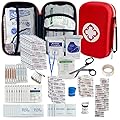
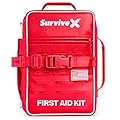
Emergencies are unpredictable, striking without warning in everyday scenarios or extraordinary circumstances. A first aid kit equips you with the supplies and confidence to respond effectively to minor injuries, such as cuts and bruises, or more serious conditions, like burns or fractures. These kits are designed to stabilize a situation, alleviate pain, and prevent further injury until medical professionals can take over. Beyond immediate care, first aid kits promote peace of mind, ensuring you’re prepared for the unexpected.
The value of a first aid kit lies in its versatility. From treating a scraped knee at a family picnic to managing a sprain during a hiking trip, these kits cater to a wide range of scenarios. They’re a staple in homes, schools, offices, vehicles, and recreational settings, reflecting their universal importance. Regulatory bodies, such as OSHA in workplaces or local health authorities, often mandate first aid kits to ensure safety compliance, underscoring their role in public and private spaces.
Types of First Aid Kits
First aid kits come in various forms, each tailored to specific environments, activities, or user needs. Understanding the different types helps you select the one best suited for your lifestyle or requirements.
Home First Aid Kits
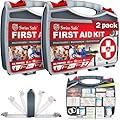
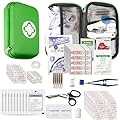
Home first aid kits are designed for household use, addressing common injuries like cuts, burns, or insect bites. These kits are typically compact yet comprehensive, containing supplies for minor emergencies affecting family members, including children and pets. A home kit might include bandages, antiseptic wipes, pain relievers, and tools like tweezers or thermometers. Larger households or those with specific medical needs may opt for more extensive kits with additional items like burn gels or splints.
Workplace First Aid Kits
Workplace first aid kits are built to meet occupational safety standards, catering to the unique risks of different industries. For example, an office kit might focus on minor injuries like paper cuts or eye irritation, while a construction site kit includes supplies for trauma, such as heavy-duty bandages or tourniquets. These kits often adhere to regulations like ANSI/ISEA Z308.1, ensuring they contain adequate supplies based on the number of employees and workplace hazards.
Travel First Aid Kits
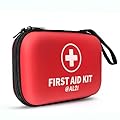
Travel first aid kits are portable and lightweight, ideal for vacations, road trips, or international travel. They prioritize convenience without sacrificing essential supplies, such as motion sickness medication, diarrhea remedies, or water purification tablets for remote destinations. These kits are often stored in durable, compact cases to withstand the rigors of travel while fitting easily into luggage or car compartments.
Outdoor and Adventure First Aid Kits
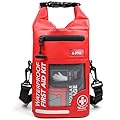
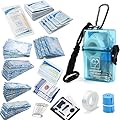
For hikers, campers, climbers, or other outdoor enthusiasts, adventure-specific first aid kits are rugged and tailored to wilderness challenges. These kits include items like blister treatments, insect sting relief, and emergency blankets to address injuries in remote areas where help may be hours or days away. Waterproof and weather-resistant packaging ensures durability in harsh conditions, while compact designs fit into backpacks or survival gear.
Vehicle First Aid Kits
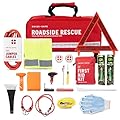
Vehicle first aid kits are essential for drivers, especially for long road trips or in areas prone to accidents or extreme weather. These kits focus on trauma care, including supplies for bleeding control, shock management, and wound cleaning. Compact enough to store in a glove compartment or trunk, they’re designed for quick access during roadside emergencies.
Specialized First Aid Kits
Specialized kits cater to specific needs, such as pediatric kits for children, pet first aid kits, or kits for individuals with chronic conditions like diabetes or allergies. For example, a pediatric kit might include child-safe medications or smaller bandages, while a diabetic kit could contain glucose gels or monitoring supplies. These kits ensure tailored care for unique medical requirements.
Key Components of a First Aid Kit
A well-equipped first aid kit contains a balance of supplies to handle a variety of emergencies. While contents vary by kit type, certain items are universal across most standard kits. Below is an overview of common components and their uses.
Wound Care Supplies
-
Bandages and Dressings: Adhesive bandages (e.g., Band-Aids), gauze pads, and adhesive tape are used to cover and protect cuts, scrapes, and abrasions. Sterile dressings help manage larger wounds by controlling bleeding and preventing infection.
-
Antiseptic Wipes and Solutions: These clean wounds to reduce the risk of infection. Common options include alcohol wipes, hydrogen peroxide, or povidone-iodine solutions.
-
Antibiotic Ointments: Products like Neosporin prevent bacterial growth in minor wounds, promoting faster healing.
Trauma and Bleeding Control
-
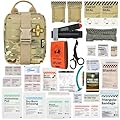
Tourniquets and Hemostatic Agents: For severe bleeding, tourniquets or clotting agents like QuikClot can be lifesaving, particularly in trauma-focused kits.
-
Pressure Bandages: These apply firm pressure to control bleeding in larger wounds, often used in workplace or vehicle kits.
Burn and Skin Injury Treatment
-
Burn Gels and Creams: Hydrogel-based products soothe minor burns and prevent further tissue damage.
-
Aloe Vera: Often included for sunburn relief, especially in outdoor kits.
-
Hydrocortisone Cream: This treats itching from insect bites, rashes, or allergic reactions.
Medications
-
Pain Relievers: Over-the-counter options like ibuprofen or acetaminophen alleviate pain and reduce inflammation.
-
Antihistamines: These manage allergic reactions, such as those caused by bee stings or food allergies.
-
Anti-Diarrheal and Antacids: Common in travel kits, these address digestive issues that may arise from unfamiliar food or water.
Tools and Equipment
-
Scissors and Tweezers: Scissors cut tape, clothing, or gauze, while tweezers remove splinters or debris from wounds.
-
Thermometer: A digital thermometer monitors fever or hypothermia, especially in pediatric or outdoor kits.
-
Gloves: Disposable nitrile or latex gloves ensure hygienic treatment and protect against bloodborne pathogens.
-
CPR Mask: Found in advanced kits, this allows safe administration of CPR without direct mouth-to-mouth contact.
Emergency Supplies
-
Emergency Blanket: A compact, reflective blanket retains body heat in cases of shock or hypothermia.
-
Splints and Slings: These immobilize fractures or sprains, common in outdoor or workplace kits.
-
First Aid Manual: A guide provides step-by-step instructions for administering care, especially for those with limited training.
Choosing the Right First Aid Kit
Selecting the appropriate first aid kit depends on several factors, including intended use, group size, and specific needs. Here are key considerations to guide your decision.
Purpose and Environment
Consider where the kit will be used. A home kit should prioritize versatility for everyday injuries, while an outdoor kit needs durability and wilderness-specific supplies. For workplaces, ensure compliance with industry standards, such as OSHA or ANSI requirements. Travelers should focus on portability and region-specific needs, like malaria prevention for tropical destinations.
Group Size
The number of people a kit serves impacts its size and contents. A small family kit may suffice for 2–4 people, while a workplace kit for 50 employees requires more supplies. Check the kit’s labeling for guidance on capacity, as manufacturers often specify the number of users or treatments.
Customization Needs
Some individuals or groups require tailored supplies. For example, families with young children may need pediatric medications, while those with allergies might include epinephrine auto-injectors. If you have pets, consider a kit with pet-safe wound care or tick removal tools. Customization ensures the kit addresses specific health concerns.
Portability and Storage
For travel or outdoor use, prioritize compact, lightweight kits that fit in bags or vehicles. Durable, waterproof cases are ideal for harsh environments. For home or workplace kits, larger storage options, like wall-mounted cabinets, provide easy access and organization.
Training and Familiarity
A first aid kit is only as effective as the person using it. Familiarize yourself with the kit’s contents and their applications. Some kits include manuals or quick-reference cards, but taking a basic first aid course can boost confidence and competence. For complex kits, like those for trauma or wilderness use, training is especially valuable.
Maintaining Your First Aid Kit
A first aid kit requires regular maintenance to remain effective. Check expiration dates on medications, ointments, and sterile supplies, replacing them as needed. Inspect tools and equipment for damage, such as rusted scissors or cracked thermometers. Replenish used items promptly to ensure the kit is ready for the next emergency. Store the kit in a cool, dry place, away from direct sunlight or extreme temperatures, to preserve the integrity of its contents.
Benefits of Investing in a Quality First Aid Kit
Investing in a high-quality first aid kit offers numerous advantages beyond immediate emergency response. These kits foster a culture of preparedness, encouraging proactive safety measures in homes, workplaces, and communities. They can reduce the severity of injuries, potentially lowering medical costs and recovery time. In group settings, having a kit demonstrates care for others’ well-being, building trust and responsibility.
For outdoor enthusiasts, a first aid kit can be a lifeline in remote areas, where access to medical care is limited. In workplaces, compliance with safety regulations avoids penalties and enhances employee morale. Even in everyday scenarios, the confidence of knowing you’re equipped to handle minor mishaps adds invaluable peace of mind.