
Liquid Bandages
Shop liquid bandages for fast, waterproof protection of minor cuts, scrapes, and abrasions. Quick-drying, flexible, and ideal for hard-to-cover areas and active lifestyles.


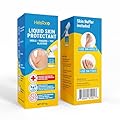
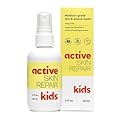


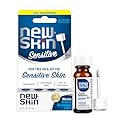
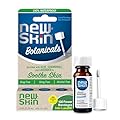
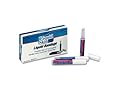






What Are Liquid Bandages?
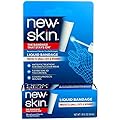
Liquid bandages are topical solutions applied directly to minor wounds to create a protective film. Typically packaged in small bottles or spray applicators, these products contain a liquid polymer—such as nitrocellulose or cyanoacrylate—that dries quickly upon contact with the skin. Once applied, the liquid forms a thin, flexible, and durable layer that mimics the skin’s natural barrier, protecting the wound from dirt, bacteria, and water while allowing it to breathe.
The primary appeal of liquid bandages lies in their versatility and ease of use. They are ideal for areas where traditional bandages may be impractical, such as joints, fingers, or irregularly shaped wounds. Additionally, liquid bandages are often transparent, making them discreet and aesthetically appealing compared to bulky bandages.
How Liquid Bandages Work
The application process for liquid bandages is straightforward. After cleaning and drying the wound, a user applies a thin layer of the liquid solution using a brush, dropper, or spray applicator. Within seconds, the liquid dries, forming a protective film that adheres to the skin. This film serves multiple purposes:
-
Protects the Wound: The barrier prevents dirt, bacteria, and other contaminants from entering the wound, reducing the risk of infection.
-
Promotes Healing: By keeping the wound moist yet breathable, liquid bandages create an optimal environment for skin regeneration.
-
Waterproof and Flexible: The film remains intact even when exposed to water or during movement, ensuring continuous protection.
-
Pain Relief: Some liquid bandages contain mild analgesics to alleviate discomfort at the wound site.
The film naturally wears off as the skin heals, typically within a few days, eliminating the need for painful bandage removal.
Key Benefits of Liquid Bandages
Liquid bandages offer several advantages over traditional adhesive bandages, making them a popular choice for both everyday use and specialized applications.
Convenience and Ease of Use
One of the standout features of liquid bandages is their simplicity. The application process is quick, requiring no cutting, sticking, or adjusting, as is often necessary with traditional bandages. A single application can last for days, reducing the need for frequent reapplication. For busy individuals, parents, or those with active lifestyles, this convenience is a significant selling point.
Waterproof and Durable Protection
Unlike cloth or plastic bandages that can become soggy or dislodged when wet, liquid bandages form a waterproof seal. This makes them ideal for activities like swimming, showering, or working in humid environments. The durability of the protective film ensures that the wound remains shielded even during rigorous physical activity.
Flexibility for Hard-to-Cover Areas
Liquid bandages excel in protecting wounds in areas where traditional bandages struggle to adhere, such as knuckles, elbows, or knees. The liquid conforms to the skin’s contours, providing a secure fit that moves with the body. This flexibility reduces irritation and ensures consistent protection, even in high-movement areas.
Discreet Appearance
The transparent or skin-toned appearance of liquid bandages makes them nearly invisible once applied. This aesthetic advantage appeals to users who prefer a less noticeable wound care solution, particularly for facial cuts or scrapes. The discreet nature of liquid bandages also makes them suitable for professional or social settings.
Reduced Risk of Infection
By creating a sealed barrier, liquid bandages minimize the risk of bacterial contamination. Some products also incorporate antiseptic ingredients, such as benzalkonium chloride, to further reduce the likelihood of infection. This feature is particularly valuable for minor wounds in environments where hygiene may be a concern, such as during outdoor activities.
Pain-Free Removal
Traditional bandages can sometimes stick to the wound, causing discomfort when removed. Liquid bandages, however, naturally slough off as the skin heals, eliminating the need for manual removal. This feature is especially beneficial for children or individuals with sensitive skin.
Applications of Liquid Bandages
Liquid bandages are versatile and suitable for a wide range of users and scenarios. Below are some of the most common applications.
Everyday Wound Care
For minor cuts, scrapes, and abrasions, liquid bandages provide a quick and effective solution. They are a staple in household first aid kits, offering an alternative to traditional bandages for small injuries sustained during daily activities, such as cooking, gardening, or playing sports.
Active Lifestyles and Outdoor Activities
Athletes, hikers, and outdoor enthusiasts benefit from the waterproof and durable properties of liquid bandages. Whether running, cycling, or camping, users can rely on these products to protect wounds without worrying about bandage adhesion or water exposure. The flexibility of the film ensures that it stays in place during physical exertion.
Pediatric Use
Parents often choose liquid bandages for children due to their ease of application and pain-free removal. Children are prone to minor injuries, and liquid bandages provide a hassle-free way to protect wounds without the fuss of traditional bandages, which may be pulled off or become dirty.
Professional and Workplace Settings
In workplaces where employees are exposed to minor cuts or abrasions—such as kitchens, construction sites, or manufacturing facilities—liquid bandages offer a practical solution. Their waterproof and durable nature ensures that workers can continue their tasks without interruption, while the discreet appearance maintains a professional look.
Medical and Clinical Applications
In some medical settings, liquid bandages are used for minor surgical incisions or as an adjunct to sutures. Cyanoacrylate-based liquid bandages, often referred to as medical-grade skin adhesives, are used by healthcare professionals to close small wounds or reinforce stitches. These products are sterile and designed to meet stringent medical standards.
Cosmetic and Aesthetic Uses
For minor cosmetic procedures, such as microdermabrasion or chemical peels, liquid bandages can protect sensitive skin during the healing process. Their transparency ensures that the treated area remains discreet, which is particularly important for facial treatments.
Types of Liquid Bandages
Liquid bandages come in various formulations, each tailored to specific needs or preferences. Understanding the different types can help users choose the right product for their situation.
Standard Liquid Bandages
These are the most common type, typically containing nitrocellulose or similar polymers. They are designed for general use on minor cuts and scrapes, offering waterproof protection and a breathable barrier. Standard liquid bandages are widely available in drugstores and are suitable for most household applications.
Antiseptic Liquid Bandages
Some liquid bandages include antiseptic agents, such as benzalkonium chloride or iodine, to provide additional protection against infection. These are ideal for wounds sustained in less hygienic environments or for users with a higher risk of infection.
Medicated Liquid Bandages
Medicated formulations may include mild pain relievers, such as lidocaine, to reduce discomfort at the wound site. These are particularly useful for burns or abrasions that cause stinging or irritation.
Medical-Grade Skin Adhesives
Used primarily in clinical settings, medical-grade liquid bandages, such as those based on cyanoacrylate, are stronger and designed for more serious applications, such as closing surgical incisions. These products are typically applied by healthcare professionals and require careful handling.
Spray-On Liquid Bandages
For larger or irregularly shaped wounds, spray-on liquid bandages offer a convenient application method. The spray format allows for even coverage and is particularly useful for areas that are difficult to reach with a brush or dropper.
How to Choose the Right Liquid Bandage
Selecting the appropriate liquid bandage depends on the user’s needs, the type of wound, and the intended application. Here are some factors to consider:
Wound Type and Severity
Liquid bandages are best suited for minor, superficial wounds, such as cuts, scrapes, or small burns. For deeper wounds, punctures, or injuries requiring medical attention, consult a healthcare professional. Ensure the product is appropriate for the wound’s size and location.
Application Method
Choose an applicator that suits the wound’s location and size. Brush applicators offer precision for small cuts, while sprays are better for larger areas. Droppers are versatile and work well for both small and medium-sized wounds.
Additional Features
Consider whether you need antiseptic properties, pain relief, or a specific drying time. Some products dry faster than others, which may be important for users who need immediate protection.
Skin Sensitivity
For individuals with sensitive skin, opt for hypoallergenic or fragrance-free formulations to minimize irritation. Always test the product on a small area of skin before applying it to a wound.
Environmental Factors
If the wound will be exposed to water or frequent movement, prioritize waterproof and flexible formulations. For outdoor activities, choose a product with a durable film that can withstand sweat and friction.
How to Use Liquid Bandages Safely
To maximize the effectiveness of liquid bandages and ensure safe use, follow these steps:
-
Clean the Wound: Rinse the wound with clean water or a mild antiseptic solution to remove dirt and debris. Pat the area dry with a clean cloth.
-
Apply the Liquid Bandage: Use the applicator to apply a thin, even layer over the wound. Avoid applying too much, as this can lead to slower drying times or an uneven film.
-
Allow to Dry: Let the liquid dry completely, which typically takes 30 seconds to a minute. Avoid touching the area during this time to ensure a smooth, intact film.
-
Reapply if Necessary: If the film begins to wear off before the wound is healed, clean the area and reapply the liquid bandage as needed.
-
Monitor for Irritation: If redness, itching, or swelling occurs, discontinue use and consult a healthcare professional.
Safety Precautions
-
Avoid applying liquid bandages to deep wounds, infected areas, or mucous membranes (e.g., eyes, mouth).
-
Do not use on large burns or wounds that require medical attention.
-
Keep the product out of reach of children, as some formulations may be harmful if ingested.
-
Store liquid bandages in a cool, dry place to maintain their effectiveness.
Limitations of Liquid Bandages
While liquid bandages are highly effective for minor wounds, they have some limitations:
-
Not Suitable for Major Wounds: Liquid bandages are not designed for deep cuts, punctures, or wounds that require stitches. These injuries require professional medical care.
-
Potential for Irritation: Some users may experience skin irritation or allergic reactions, particularly if they have sensitive skin.
-
Limited Coverage Area: Liquid bandages are best for small to medium-sized wounds. Large wounds may require multiple applications or alternative wound care solutions.
-
Drying Time: Although most liquid bandages dry quickly, users must wait for the film to set before resuming activities, which may be inconvenient in urgent situations.