
Nail Fungus Treatments
Shop effective nail fungus treatments including antifungal creams, liquids, and pens. Restore nail health and eliminate fungal infections with proven over-the-counter solutions.




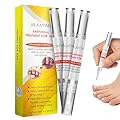
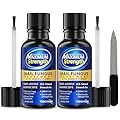
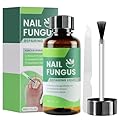
Types of Nail Fungus Treatments
The nail fungus treatment market is diverse, offering solutions that cater to different levels of infection, budgets, and personal preferences. Below, we explore the main categories of treatments available, highlighting their features, benefits, and considerations.
Over-the-Counter (OTC) Topical Treatments
OTC topical treatments are among the most accessible and widely used options for addressing nail fungus. These products are typically applied directly to the affected nail and surrounding skin, targeting the fungus at its source. They come in various forms, including creams, ointments, gels, and nail lacquers.
Benefits of OTC Topical Treatments
-
Ease of Use: Most OTC topicals are simple to apply, requiring only a clean, dry nail and a few minutes of your time daily.
-
Affordability: These products are generally budget-friendly, making them an attractive first step for those with mild to moderate infections.
-
Minimal Side Effects: Since they are applied externally, OTC topicals pose a low risk of systemic side effects, making them suitable for most users.
Popular Ingredients
Many OTC treatments contain antifungal agents like clotrimazole, miconazole, or terbinafine, which work by disrupting the fungal cell membrane. Some also include natural ingredients like tea tree oil, known for its antifungal and antibacterial properties, or undecylenic acid, which helps prevent fungal growth.
Considerations
OTC topicals are most effective for early-stage or mild infections. They may take several weeks or months to show results, requiring consistent application. For severe cases or infections deep within the nail bed, OTC treatments may not penetrate deeply enough, necessitating stronger interventions.
Prescription Oral Medications
For more persistent or severe nail fungus, prescription oral medications are often recommended by healthcare providers. These systemic treatments work from within the body, targeting the fungus through the bloodstream and promoting the growth of a healthy new nail.
Benefits of Oral Medications
-
High Efficacy: Oral antifungals like terbinafine and itraconazole are highly effective, with success rates of up to 70-80% in clinical settings.
-
Comprehensive Treatment: They address infections that have spread to the nail bed or matrix, areas that topical treatments may struggle to reach.
-
Faster Results: Oral medications typically work faster than topicals, with noticeable improvements in a few months as the nail grows out.
Common Medications
-
Terbinafine: Taken daily for 6-12 weeks, this medication is highly effective for toenail fungus and has a strong track record of clearing infections.
-
Itraconazole: Often prescribed in pulse dosing (taken for a week each month), itraconazole is another potent option for tackling stubborn fungal infections.
Considerations
Oral medications require a prescription and medical supervision due to potential side effects, such as liver strain or gastrointestinal issues. Regular blood tests may be needed to monitor liver function. These treatments may not be suitable for individuals with certain medical conditions or those taking specific medications, so a doctor’s consultation is essential.
Prescription Topical Treatments
Prescription-strength topical treatments offer a middle ground between OTC topicals and oral medications. These are typically stronger than OTC options and are designed for moderate to severe cases where deeper penetration is needed.
Benefits of Prescription Topicals
-
Targeted Action: These treatments deliver higher concentrations of antifungal agents directly to the nail, minimizing systemic side effects.
-
Convenience: Like OTC topicals, they are easy to apply at home and don’t require frequent doctor visits.
-
Improved Penetration: Formulations like ciclopirox nail lacquer are designed to penetrate the nail plate, reaching deeper layers of infection.
Common Products
-
Ciclopirox: A prescription nail lacquer applied daily, ciclopirox is effective for mild to moderate infections and works by inhibiting fungal growth.
-
Efinaconazole: A newer topical solution, efinaconazole is applied once daily and is particularly effective for toenail fungus, offering good penetration and a low risk of side effects.
Considerations
Prescription topicals can be more expensive than OTC options and may still require months of consistent use. They are less effective for severe infections compared to oral medications, but they are a good option for those who cannot tolerate systemic treatments.
Natural and Home Remedies
For those seeking alternatives to pharmaceutical treatments, natural and home remedies offer a gentler approach to managing nail fungus. These options often appeal to individuals who prefer plant-based or holistic solutions.
Popular Natural Remedies
-
Tea Tree Oil: Known for its antifungal and antiseptic properties, tea tree oil is often diluted with a carrier oil and applied to the affected nail.
-
Coconut Oil: Contains lauric acid, which has antifungal properties, making it a popular choice for soothing and treating infected nails.
-
Apple Cider Vinegar: Its acidic nature creates an inhospitable environment for fungi, and it’s often used as a soak or applied directly to the nail.
-
Oregano Oil: Rich in thymol, oregano oil has potent antifungal effects and is often mixed with a carrier oil for topical use.
Benefits of Natural Remedies
-
Fewer Side Effects: Natural remedies are generally safe and well-tolerated, with minimal risk of adverse reactions.
-
Accessibility: Many ingredients, like vinegar or coconut oil, are readily available in most households.
-
Holistic Appeal: These remedies align with a natural lifestyle and can be used alongside other treatments for a complementary approach.
Considerations
While natural remedies can be effective for mild cases, their efficacy is less consistent than pharmaceutical options, and results may take longer. Proper dilution and application are crucial to avoid skin irritation. For severe infections, natural remedies are unlikely to suffice as a standalone treatment.
Medical Procedures and Advanced Treatments
In cases where nail fungus is particularly stubborn or has caused significant nail damage, medical procedures may be necessary. These are typically performed by a podiatrist or dermatologist and are reserved for severe or recurrent infections.
Common Procedures
-
Nail Debridement: A professional trims and files down the thickened nail to reduce pressure and improve the effectiveness of topical treatments.
-
Laser Therapy: Laser treatments use focused light to heat and destroy fungal cells in the nail bed. This non-invasive option is gaining popularity for its precision and minimal discomfort.
-
Nail Removal: In extreme cases, the infected nail may be surgically removed to allow a healthy nail to grow back, often in combination with antifungal treatments.
Benefits of Medical Procedures
-
Targeted and Effective: Procedures like laser therapy can directly target the fungus, offering high success rates for difficult cases.
-
Quick Results: Some treatments, like laser therapy, may show results faster than topical or oral options.
-
Professional Oversight: Performed by specialists, these treatments ensure accurate diagnosis and tailored care.
Considerations
Medical procedures can be costly and may not be covered by insurance. Laser therapy, for example, is often considered cosmetic and can require multiple sessions. Nail removal carries a small risk of complications, and recovery may take time. Consulting with a healthcare provider is essential to determine if these options are necessary.
Choosing the Right Nail Fungus Treatment
Selecting the best nail fungus treatment depends on several factors, including the severity of the infection, your overall health, budget, and personal preferences. Here are some tips to guide your decision:
-
Assess the Severity: Mild cases may respond well to OTC topicals or natural remedies, while severe infections often require prescription medications or professional interventions.
-
Consider Your Health: If you have underlying conditions like liver disease or diabetes, consult a doctor before starting oral medications or advanced treatments.
-
Evaluate Lifestyle: If you prefer convenience, topical treatments or natural remedies may be ideal. For faster results, oral medications or procedures might be worth exploring.
-
Set Realistic Expectations: Nail fungus treatments require patience, as nails grow slowly (toenails take 12-18 months to fully grow out). Consistency is key to success.
-
Combine Approaches: In some cases, combining treatments—like using a topical antifungal with regular debridement—can enhance results.
Preventing Nail Fungus Recurrence
Once you’ve successfully treated nail fungus, preventing recurrence is crucial. Fungi thrive in warm, moist environments, so maintaining good nail hygiene and making lifestyle changes can reduce the risk of reinfection.
Prevention Tips
-
Keep Feet Dry and Clean: Wash and thoroughly dry your feet daily, especially between the toes, and change socks regularly.
-
Choose Breathable Footwear: Opt for shoes made of leather or mesh that allow air circulation, and avoid tight, non-breathable shoes.
-
Use Antifungal Powders or Sprays: These can be applied to shoes and feet to prevent fungal growth.
-
Avoid Walking Barefoot in Public Areas: Wear flip-flops or water shoes in communal showers, locker rooms, or pool areas.
-
Trim Nails Properly: Cut nails straight across and avoid cutting too close to the skin to prevent entry points for fungi.
-
Disinfect Tools: Regularly clean nail clippers and other grooming tools with alcohol to avoid spreading fungi.
The Importance of Consistency and Patience
Treating nail fungus is a long-term commitment, as nails grow slowly, and the fungus can be stubborn. Whether you choose an OTC topical, prescription medication, or natural remedy, following the treatment regimen diligently is essential. Missing applications or stopping treatment prematurely can allow the fungus to persist or return. Regular follow-ups with a healthcare provider can help monitor progress and adjust the treatment plan if needed.
Emerging Trends in Nail Fungus Treatments
The nail fungus treatment industry is evolving, with new products and technologies entering the market. Innovations like advanced laser therapies, combination treatments (e.g., topical and oral therapies used together), and probiotic-based solutions are gaining attention. Additionally, there’s growing interest in natural and organic products, reflecting consumer demand for safer, eco-friendly options. Staying informed about these trends can help you explore cutting-edge solutions for managing nail fungus.