
Ointments
Discover a wide range of ointments designed to soothe, heal, and protect skin. From moisturizing to medicated options, find the perfect ointment for cuts, burns, rashes, and more.



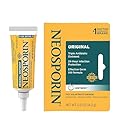
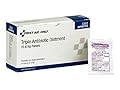
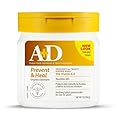
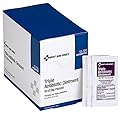


What Are Ointments?
Ointments are topical preparations composed of a base—usually petroleum jelly, lanolin, or wax—mixed with active ingredients like medications, herbal extracts, or moisturizing agents. Their high oil-to-water ratio distinguishes them from creams, which have a lighter texture due to a higher water content. This oil-heavy composition gives ointments their characteristic thickness, making them ideal for conditions that benefit from prolonged skin contact and deep hydration.
Ointments work by creating an occlusive layer on the skin, which prevents moisture loss and enhances the penetration of active ingredients. This makes them particularly effective for dry, cracked, or damaged skin, as well as for delivering medications to specific areas. They are commonly used in both over-the-counter (OTC) and prescription products, catering to a wide range of needs, from everyday skincare to specialized medical treatments.
Types of Ointments
Ointments can be categorized based on their purpose, active ingredients, or formulation. Below are some of the most common types available in the market:
1. Moisturizing Ointments
Moisturizing ointments are designed to hydrate and protect the skin, making them a go-to solution for dryness, chapping, or irritation. These products often contain ingredients like petroleum jelly, mineral oil, or natural oils (such as coconut or shea butter) to lock in moisture and repair the skin barrier. They are ideal for conditions like eczema, psoriasis, or winter-induced dryness, providing long-lasting hydration and soothing relief.
2. Medicated Ointments
Medicated ointments contain active pharmaceutical ingredients to treat specific skin conditions or ailments. Common examples include:
-
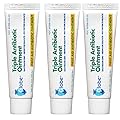
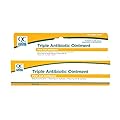
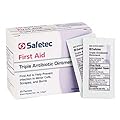
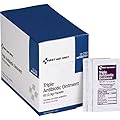
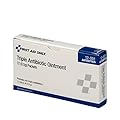
Antibiotic Ointments: These contain ingredients like bacitracin, neomycin, or polymyxin B to prevent or treat bacterial infections in minor cuts, scrapes, or burns.
-
Steroid Ointments: Formulated with corticosteroids like hydrocortisone, these ointments reduce inflammation, itching, and redness associated with conditions like eczema, dermatitis, or allergic reactions.
-
Antifungal Ointments: Containing agents like clotrimazole or miconazole, these treat fungal infections such as athlete’s foot or ringworm.
-
Pain-Relief Ointments: These include ingredients like lidocaine or menthol to alleviate discomfort from muscle soreness, joint pain, or minor injuries.
3. Healing Ointments
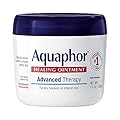
Healing ointments are formulated to promote tissue repair and recovery, often used for burns, cuts, or abrasions. They may contain ingredients like aloe vera, vitamin E, or zinc oxide, which support skin regeneration and protect against infection. These ointments are popular in first-aid kits for their ability to accelerate healing while keeping wounds moist and protected.
4. Protective Ointments
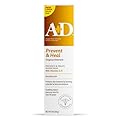
Protective ointments create a barrier to shield the skin from irritants, moisture, or friction. Diaper rash ointments, for example, often contain zinc oxide to protect sensitive skin from moisture and irritation. Similarly, barrier ointments are used in healthcare settings to prevent skin breakdown in bedridden patients or those with incontinence.
5. Herbal and Natural Ointments
For those seeking plant-based solutions, herbal ointments incorporate natural ingredients like calendula, chamomile, or tea tree oil. These products are often marketed for their soothing, anti-inflammatory, or antimicrobial properties and are popular among consumers who prefer holistic or organic skincare options.
Benefits of Using Ointments
Ointments offer several advantages over other topical preparations, making them a versatile addition to both medical and cosmetic routines. Here are some key benefits:
1. Enhanced Moisturization
The high oil content in ointments makes them exceptionally effective at locking in moisture. This is particularly beneficial for individuals with dry or compromised skin, as ointments help restore the skin’s natural barrier, preventing further moisture loss and promoting softness.
2. Targeted Treatment
Ointments deliver active ingredients directly to the affected area, ensuring maximum efficacy with minimal systemic absorption. This localized approach is ideal for treating specific skin conditions without affecting the rest of the body.
3. Long-Lasting Effects
Due to their occlusive nature, ointments remain on the skin longer than creams or lotions, providing prolonged contact with active ingredients. This extended exposure enhances the effectiveness of the treatment, especially for chronic conditions.
4. Versatility
Ointments can address a wide range of issues, from minor skin irritations to serious medical conditions. Whether you need to soothe a sunburn, treat an infection, or relieve joint pain, there’s likely an ointment designed for the task.
5. Protective Barrier
Ointments create a physical barrier that shields the skin from external irritants, such as harsh weather, chemicals, or friction. This protective quality is especially valuable for sensitive or damaged skin.
Common Uses of Ointments
Ointments are used in various contexts, from everyday skincare to specialized medical treatments. Below are some of the most common applications:
1. Skin Conditions
Ointments are widely used to manage dermatological conditions like eczema, psoriasis, or dermatitis. Steroid-based ointments reduce inflammation and itching, while moisturizing ointments help alleviate dryness and flaking.
2. Wound Care
For minor cuts, scrapes, or burns, antibiotic and healing ointments promote recovery by keeping the wound moist, preventing infection, and supporting tissue repair.
3. Pain and Inflammation
Ointments containing analgesics or anti-inflammatory agents are popular for relieving muscle soreness, joint pain, or arthritis symptoms. These products provide targeted relief without the need for oral medications.
4. Infection Prevention and Treatment
Antibiotic and antifungal ointments are essential for treating or preventing infections in minor wounds or fungal conditions like athlete’s foot.
5. Baby Care
Protective ointments, such as those containing zinc oxide, are commonly used to prevent and treat diaper rash, shielding delicate skin from moisture and irritation.
6. Lip Care
Lip balms, a type of ointment, are formulated to hydrate and protect chapped or cracked lips, often containing ingredients like beeswax, shea butter, or vitamin E.
How to Choose the Right Ointment
Selecting the appropriate ointment depends on your specific needs, skin type, and the condition you’re addressing. Here are some tips to guide your choice:
1. Identify the Condition
Determine the primary issue you’re treating—whether it’s dryness, infection, inflammation, or pain—and choose an ointment with the appropriate active ingredients. For example, hydrocortisone is ideal for inflammation, while bacitracin is better for preventing infection.
2. Consider Skin Type
Ointments can feel greasy, which may not be suitable for oily or acne-prone skin. If greasiness is a concern, you might opt for a lighter formulation or consult a dermatologist for alternatives.
3. Check Ingredients
Always review the ingredient list, especially if you have allergies or sensitivities. Avoid products with potential irritants like fragrances or alcohol if you have sensitive skin.
4. Prescription vs. OTC
For mild conditions, over-the-counter ointments may suffice. However, chronic or severe issues may require a prescription-strength product, so consult a healthcare professional if needed.
5. Patch Test
Before applying an ointment to a large area, perform a patch test on a small section of skin to ensure you don’t experience an adverse reaction.
How to Apply Ointments Properly
Proper application maximizes the effectiveness of ointments and minimizes potential side effects. Follow these steps:
-
Clean the Area: Wash the affected area with mild soap and water, then pat dry gently.
-
Apply a Thin Layer: Use a small amount of ointment and spread it evenly over the affected area. A little goes a long way, as ointments are highly concentrated.
-
Rub Gently: Massage the ointment into the skin until it’s absorbed, unless instructed otherwise (some ointments are meant to sit on the surface).
-
Cover if Necessary: For wounds or severe dryness, you may cover the area with a bandage to enhance absorption and protect the skin.
-
Wash Hands: After applying, wash your hands to avoid spreading the ointment to unintended areas, especially if it contains potent ingredients like steroids.
-
Follow Instructions: Adhere to the recommended frequency and duration of use, especially for medicated ointments, to avoid overuse or side effects.
Potential Side Effects and Precautions
While ointments are generally safe, they can cause side effects in some cases. Common issues include:
-
Skin Irritation: Some individuals may experience redness, itching, or burning, particularly with medicated ointments.
-
Allergic Reactions: Ingredients like neomycin or fragrances can trigger allergies in sensitive individuals.
-
Overuse of Steroids: Prolonged use of corticosteroid ointments can lead to skin thinning or other complications, so follow medical guidance.
-
Infection Risk: Applying ointments to infected wounds without proper cleaning can worsen the condition.
To minimize risks, always follow product instructions, avoid applying ointments to open wounds unless specified, and consult a healthcare provider if symptoms persist or worsen.
Innovations in Ointment Formulations
The world of ointments is evolving, with advancements in formulations improving their efficacy and user experience. Some notable trends include:
-
Nano-Technology: Some modern ointments use nanotechnology to enhance the delivery of active ingredients, allowing for deeper penetration and faster results.
-
Natural and Organic Options: The rise of clean beauty has led to an increase in plant-based ointments free from synthetic chemicals, appealing to eco-conscious consumers.
-
Sustained-Release Formulas: Newer ointments are designed to release active ingredients gradually, providing longer-lasting relief with fewer applications.