
Poison Ivy Relief
Find fast-acting poison ivy relief with soothing creams, gels, and sprays. Treat itching, rashes, and irritation caused by poison ivy, oak, and sumac. Safe for all ages.


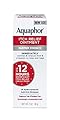
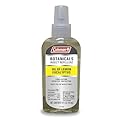
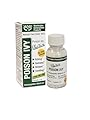
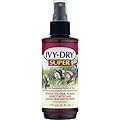




Understanding Poison Ivy Reactions
When urushiol touches the skin, it often takes 12 to 48 hours for symptoms to appear. The rash typically starts as red, itchy patches, progressing to bumps or blisters that may ooze or crust over. Scratching doesn’t spread the rash, but it can lead to infections if bacteria enter broken skin. For some, symptoms are mild; for others, especially those with heightened sensitivity, the reaction can be severe, covering large areas of the body or even requiring medical attention. Products in the Poison Ivy Relief category address these symptoms with targeted formulations, offering immediate relief and long-term healing.
Why Choose Specialized Poison Ivy Relief Products?
General skincare products may not effectively combat the unique challenges of a poison ivy rash. Urushiol bonds quickly to the skin, and without proper cleansing, it can linger, worsening the reaction. Specialized poison ivy relief products are formulated to neutralize urushiol, reduce inflammation, and protect the skin barrier. They also help manage secondary issues like itching, which can disrupt sleep and daily activities. Whether you’re an avid hiker, gardener, or simply someone who encountered poison ivy unexpectedly, these products provide practical, science-backed solutions.
Key Product Types in Poison Ivy Relief
The Poison Ivy Relief category includes a variety of products tailored to different needs, from prevention to treatment. Below, we explore the main types and their benefits, helping you choose the right tools to combat poison ivy discomfort.
Cleansing Washes and Scrubs
Removing Urushiol Effectively
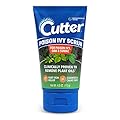
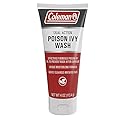
The first step after exposure is to remove urushiol from the skin to prevent or minimize a reaction. Cleansing washes and scrubs are designed to break down the oily resin and wash it away before it fully triggers an allergic response. These products often contain surfactants, solvents, or natural ingredients like oatmeal or aloe to gently cleanse without further irritating the skin.
-
How They Work: Washes use ingredients like isopropyl alcohol or degreasing agents to dissolve urushiol, while scrubs may include exfoliating particles to lift the resin from skin folds or under nails.
-
When to Use: Apply within 1–2 hours of exposure for best results. Some products can also be used after the rash appears to clean the area and reduce irritation.
-
Popular Features: Look for fast-acting formulas, non-drying ingredients, and portable options for outdoor use.
These products are a must-have for anyone spending time in nature, as quick action can make the difference between a mild rash and a severe reaction.
Topical Creams and Ointments
Soothing Itch and Inflammation
Once a rash develops, topical creams and ointments become the cornerstone of relief. These products target itching, redness, and inflammation, helping to calm the skin and prevent scratching that could lead to infection.
-
Hydrocortisone Creams: Low-dose hydrocortisone (0.5–1%) reduces inflammation and itching. These are widely available and effective for mild to moderate rashes.
-
Calamine Lotion: A classic remedy, calamine dries out oozing blisters and forms a protective layer to soothe the skin. Its pink hue makes it easy to see where it’s applied.
-
Antihistamine Gels: These reduce itching by blocking histamine, the compound responsible for allergic reactions.
-
Natural Options: Creams with aloe vera, chamomile, or oatmeal provide gentle relief for those preferring plant-based solutions.
Most topical treatments are applied 2–4 times daily, depending on the severity of symptoms. Always follow product instructions to avoid overuse, especially with steroid-based creams.
Oral Medications
Tackling Severe Reactions
For widespread or intense rashes, oral medications can provide systemic relief. Over-the-counter antihistamines, like diphenhydramine or cetirizine, help control itching and may reduce swelling. In severe cases, a doctor may prescribe oral corticosteroids to manage inflammation. These are typically not sold over the counter but are part of the broader poison ivy relief strategy for those with significant reactions.
-
Benefits: Oral medications work from within, addressing symptoms that topical treatments can’t reach.
-
Considerations: Antihistamines may cause drowsiness, so non-sedating options are ideal for daytime use.
Always consult a healthcare provider before starting oral medications, especially for children or those with underlying health conditions.
Protective Barrier Creams
Preventing Exposure
Prevention is often the best defense against poison ivy. Barrier creams create a physical shield on the skin, reducing the chance of urushiol penetration. These are especially useful for outdoor workers, hikers, or gardeners who know they’ll be in areas where poison ivy grows.
-
How They Work: Ingredients like bentoquatam form a protective layer that blocks urushiol from reaching the skin.
-
Application Tips: Apply 15–30 minutes before potential exposure and reapply every few hours for continued protection.
These creams are a proactive choice for anyone regularly in contact with risky environments, offering peace of mind during outdoor activities.
Cooling Gels and Sprays
Instant Relief for Burning Skin
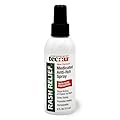
Cooling gels and sprays provide quick, on-the-go relief for burning or intensely itchy skin. These products often contain menthol, lidocaine, or aloe to create a cooling sensation that distracts from itching and soothes discomfort.
-
Why They’re Popular: Their non-greasy formulas are easy to apply, and sprays are ideal for hard-to-reach areas like the back or legs.
-
Best Use Cases: Perfect for quick touch-ups during the day or for children who need gentle, mess-free applications.
Homeopathic and Natural Remedies
Gentle Alternatives
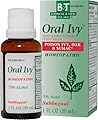
For those seeking natural or homeopathic options, the Poison Ivy Relief category includes products with ingredients like jewelweed, witch hazel, or tea tree oil. These remedies aim to soothe irritation and promote healing without synthetic chemicals.
-
Jewelweed: Often called “nature’s antidote” to poison ivy, jewelweed is believed to neutralize urushiol and reduce inflammation.
-
Witch Hazel: A natural astringent, it helps dry out blisters and calm itching.
-
Tea Tree Oil: Known for its antimicrobial properties, it can prevent secondary infections from scratching.
While scientific evidence on homeopathic remedies varies, many users find them effective for mild cases or as complementary treatments.
Protective Gear and Accessories
Avoiding Contact Altogether
Beyond topical and oral treatments, the Poison Ivy Relief category includes protective gear to minimize exposure. Gloves, long-sleeve clothing, and even specialized soaps for washing contaminated clothes or gear help keep urushiol at bay.
-
Gardening Gloves: Heavy-duty gloves prevent direct contact with plants.
-
Urushiol-Neutralizing Soaps: These clean tools, clothing, or pets that may have come into contact with poison ivy.
-
Disposable Covers: Booties or sleeve covers protect skin during high-risk activities like yard work.
These items are essential for anyone who frequently encounters poison ivy, ensuring safety without sacrificing outdoor enjoyment.
How to Choose the Right Poison Ivy Relief Product
With so many options, selecting the right product depends on your needs, the severity of the reaction, and your lifestyle. Here are some tips to guide your decision:
-
Stage of Exposure: If you’ve just encountered poison ivy, prioritize cleansing washes. For an active rash, focus on creams or gels. For prevention, invest in barrier creams or protective gear.
-
Sensitivity Level: Mild reactions may only need calamine or natural remedies, while severe cases might require hydrocortisone or oral antihistamines.
-
Lifestyle Needs: Outdoor enthusiasts may want portable sprays or wipes, while those with frequent exposure might benefit from barrier creams and heavy-duty gear.
-
Skin Type: Sensitive skin types should opt for fragrance-free, hypoallergenic products to avoid additional irritation.
Always read product labels for ingredients and usage instructions, and consult a doctor if symptoms persist beyond a week or worsen significantly.
Tips for Managing Poison Ivy Symptoms
In addition to using relief products, a few practical steps can enhance recovery and comfort:
-
Avoid Scratching: Scratching can introduce bacteria, leading to infections. Keep nails short and consider wearing gloves at night to prevent unconscious scratching.
-
Cool Compresses: Apply a cold, damp cloth to the rash for 15–20 minutes to reduce swelling and itching.
-
Oatmeal Baths: Soaking in a lukewarm bath with colloidal oatmeal can soothe large areas of affected skin.
-
Wash Everything: Clean clothes, shoes, and tools that may have touched poison ivy to prevent re-exposure.
-
Monitor for Infection: Signs like pus, fever, or increased redness may indicate an infection requiring medical attention.
Combining these habits with the right products maximizes relief and speeds up healing.