
Scars & Wounds
Discover effective scar and wound care solutions, including silicone gels, healing creams, and advanced dressings. Promote faster healing and reduce scar appearance.








Understanding Scars and Wounds
What Are Scars and Wounds?
Wounds are injuries to the skin, ranging from superficial cuts to deep lacerations or surgical incisions. They can result from accidents, medical procedures, or chronic conditions like diabetes. Scars, on the other hand, are the body’s way of repairing damaged tissue. When the skin heals, it often forms a scar, which can vary in appearance—some are flat and barely noticeable, while others may be raised, sunken, or discolored.
Scars and wounds can have both physical and emotional impacts. A visible scar might affect self-esteem, while a poorly healing wound can lead to discomfort or complications. The products in this category aim to address these challenges by supporting the body’s natural healing processes and improving the appearance of scars over time.
Types of Scars and Wounds
There are several types of scars and wounds, each requiring specific care:
-
Acute Wounds: These include cuts, abrasions, or surgical incisions that typically heal within a predictable timeframe.
-
Chronic Wounds: Conditions like pressure ulcers or diabetic foot ulcers that heal slowly due to underlying health issues.
-
Hypertrophic Scars: Raised scars that remain within the boundaries of the original wound.
-
Keloid Scars: Overgrown scars that extend beyond the wound site, often raised and darker in color.
-
Atrophic Scars: Sunken scars, such as those caused by acne or chickenpox.
-
Burn Scars: Scars resulting from burns, which may require specialized care to prevent contractures.
Understanding the type of scar or wound is key to choosing the right products for effective treatment and management.
Key Products in the Scars & Wounds Category
Wound Dressings
Wound dressings are essential for protecting open wounds, preventing infection, and promoting healing. These products come in various forms, each designed for specific wound types and stages of healing:
-
Hydrocolloid Dressings: These create a moist environment to promote healing and are ideal for minor burns, blisters, or shallow wounds. They form a gel-like barrier that protects the wound while absorbing exudate.
-
Foam Dressings: Highly absorbent, foam dressings are perfect for wounds with moderate to heavy exudate, such as pressure ulcers or surgical wounds.
-
Silicone Dressings: These non-adhesive dressings are gentle on fragile skin and help reduce scarring by maintaining moisture balance.
-
Antimicrobial Dressings: Infused with agents like silver or iodine, these dressings combat infection in chronic or high-risk wounds.
Each type of dressing is designed to create an optimal healing environment, ensuring wounds stay clean, moist, and protected from external irritants.
Scar Treatment Gels and Creams
Scar treatment products, such as gels and creams, are formulated to improve the appearance of scars by hydrating the skin, reducing redness, and smoothing texture. Popular ingredients include:
-
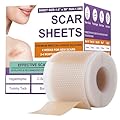
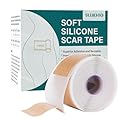
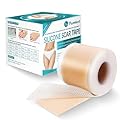
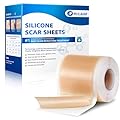
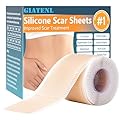
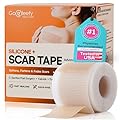
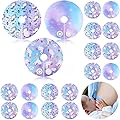
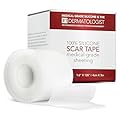
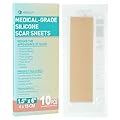
Silicone: A gold standard in scar management, silicone gels and sheets help flatten and soften scars while reducing discoloration.
-
Onion Extract: Found in some scar creams, onion extract has anti-inflammatory properties that can help reduce scar visibility.
-
Vitamin E: Often included for its antioxidant properties, Vitamin E supports skin repair and hydration.
-
Hyaluronic Acid: This ingredient helps retain moisture, promoting smoother, more elastic skin.
These products are typically applied daily to new or existing scars, offering a non-invasive way to improve their appearance over time.
Adhesive Strips and Sutures
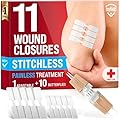
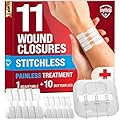
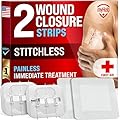
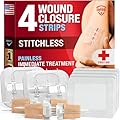
For wounds that need to be closed, adhesive strips and sutures provide a reliable solution. Adhesive strips, often called butterfly bandages, are used for small cuts or lacerations, pulling the skin together to promote healing without stitches. For deeper wounds, dissolvable sutures or medical-grade adhesives may be used to ensure proper closure and minimize scarring.
Cleansers and Antiseptics
Proper wound cleaning is critical to prevent infection and promote healing. Antiseptic solutions, saline sprays, and gentle cleansers remove debris and bacteria without irritating the skin. These products are often used before applying dressings to ensure the wound bed is clean and ready for healing.
Moisturizers and Barrier Creams
Moisturizers and barrier creams play a vital role in both wound healing and scar management. They prevent dryness, reduce itching, and protect the skin from environmental irritants. Products containing ingredients like petrolatum, lanolin, or ceramides create a protective barrier, locking in moisture and supporting skin repair.
Compression Garments
For certain types of scars, such as hypertrophic or burn scars, compression garments are recommended. These garments apply gentle pressure to the scar, helping to flatten it and improve its appearance. They are often used in conjunction with other treatments, such as silicone sheets, for optimal results.
Benefits of Scars & Wounds Products
Promoting Faster Healing
The right products can significantly speed up the healing process by maintaining an optimal environment for tissue repair. Moist wound healing, supported by products like hydrocolloid or silicone dressings, has been shown to reduce healing time compared to dry wound care. By keeping the wound moist and protected, these products encourage cell regeneration and minimize complications.
Reducing Scar Visibility
Scar treatment products, such as silicone gels and sheets, are designed to improve the appearance of scars. Regular use can soften raised scars, reduce redness, and even out skin tone. For many, this leads to greater confidence, especially when scars are in visible areas like the face or hands.
Preventing Infection
Infection is a major risk for open wounds, particularly chronic ones. Antimicrobial dressings and antiseptic cleansers help eliminate bacteria and reduce the risk of complications, ensuring wounds heal without setbacks.
Easing Discomfort
Itching, tightness, and pain are common during the healing process. Products like soothing gels, moisturizers, and non-adhesive dressings alleviate discomfort, making the recovery process more tolerable.
Supporting Long-Term Skin Health
Beyond immediate healing, many products in this category promote long-term skin health. Moisturizers and barrier creams strengthen the skin’s natural barrier, while scar treatments improve elasticity and texture, resulting in healthier-looking skin.
How to Choose the Right Products
Assessing the Wound or Scar Type
The first step in choosing the right product is understanding the type of wound or scar you’re dealing with. For fresh wounds, focus on protection and infection prevention with dressings and cleansers. For older scars, opt for treatments like silicone gels or creams designed to improve appearance. Consulting a healthcare professional can help determine the best course of action for complex or chronic wounds.
Considering Skin Sensitivity
Some individuals have sensitive skin that may react to certain ingredients or adhesives. Hypoallergenic and non-adhesive options, such as silicone dressings or fragrance-free creams, are ideal for minimizing irritation.
Stage of Healing
The healing process has several stages—initial closure, tissue regeneration, and scar maturation. Different products are suited to each stage. For example, antimicrobial dressings are crucial in the early stages, while scar gels are more effective during the maturation phase.
Ease of Use
Consider how easy a product is to apply and maintain. Adhesive strips and pre-cut dressings are convenient for everyday use, while compression garments or silicone sheets may require more commitment but offer significant benefits for specific scar types.
Tips for Using Scars & Wounds Products
Follow a Consistent Routine
Consistency is key when using scar treatment products. Apply gels or creams as directed, typically once or twice daily, and use dressings or sheets for the recommended duration to see results.
Keep the Area Clean
Always clean the wound or scar area before applying products. Use a gentle cleanser or antiseptic to remove dirt and bacteria, ensuring the product can work effectively.
Protect from Sun Exposure
UV rays can darken scars and slow healing. Use sunscreen or cover the area with clothing or dressings to protect it from sun exposure, especially during the first year of healing.
Monitor for Complications
Watch for signs of infection, such as increased redness, swelling, or pus. If these occur, seek medical advice promptly and adjust your wound care routine as needed.
Be Patient
Scar improvement and wound healing take time. While some products can show results in a few weeks, others may require months of consistent use to achieve noticeable changes.
Who Can Benefit from Scars & Wounds Products?
This product category serves a wide range of individuals:
-
Post-Surgical Patients: Those recovering from surgery can use dressings and scar treatments to promote healing and minimize scarring.
-
Individuals with Chronic Conditions: People with diabetes or vascular issues often deal with slow-healing wounds that benefit from specialized dressings.
-
Accident Victims: Minor cuts, scrapes, or burns from accidents can be treated with products to reduce scarring and speed recovery.
-
Those with Acne Scars: Atrophic scars from acne can be improved with targeted creams and gels.
-
Anyone Seeking Cosmetic Improvement: Individuals looking to fade old scars for aesthetic reasons can find effective solutions in this category.