
Suture Assisting Devices
Explore professional-grade suture assisting devices for efficient wound closure. Ideal for clinics, hospitals, and training. Precision tools for every surgical need.
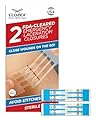
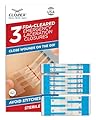
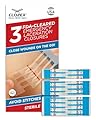
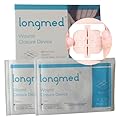
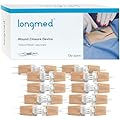
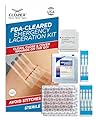


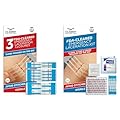
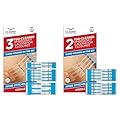
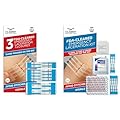
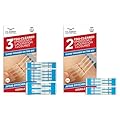
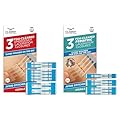
What Are Suture Assisting Devices?
Suture assisting devices are specialized tools or systems designed to facilitate the placement, tying, or securing of sutures during medical procedures. Suturing, the process of stitching tissue together to promote healing or close wounds, is a fundamental aspect of surgery and wound care. However, traditional suturing techniques can be time-consuming, physically demanding, and prone to variability depending on the skill of the practitioner. Suture assisting devices address these challenges by providing mechanical, automated, or robotic support to enhance the suturing process.
These devices range from simple handheld instruments to sophisticated robotic platforms. Common examples include automated suturing guns, endoscopic suturing systems, needle drivers with enhanced grip, and robotic arms programmed for precise suture placement. Each device is engineered to improve the speed, accuracy, and consistency of suturing, reducing the risk of complications such as infection, wound dehiscence, or excessive scarring. Additionally, many suture assisting devices are designed to accommodate various suture materials, including absorbable and non-absorbable sutures, and to work in diverse surgical environments, from open surgeries to minimally invasive laparoscopic procedures.
Key Features and Benefits of Suture Assisting Devices
Enhanced Precision and Accuracy
One of the primary advantages of suture assisting devices is their ability to enhance precision during suturing. Devices such as automated needle drivers or robotic suturing systems allow for exact needle placement and consistent stitch tension, which are critical for achieving optimal wound closure. This precision is particularly valuable in delicate procedures, such as neurosurgery or ophthalmic surgery, where even minor errors can have significant consequences. By reducing the variability associated with manual suturing, these devices help ensure uniform results, improving both functional and aesthetic outcomes.
Reduced Operative Time
Suture assisting devices significantly reduce the time required to complete suturing tasks, which is a critical factor in improving surgical efficiency. Automated systems, for example, can place and secure sutures faster than manual techniques, allowing surgeons to focus on other aspects of the procedure. This time-saving benefit is especially important in high-volume surgical settings or emergency situations where rapid intervention is essential. Shorter operative times also contribute to reduced anesthesia exposure for patients, lowering the risk of complications.
Minimized Tissue Trauma
Traditional suturing methods can sometimes cause unnecessary trauma to tissues, particularly in sensitive areas or during prolonged procedures. Suture assisting devices are designed to minimize tissue damage by offering controlled needle insertion and gentle handling of tissues. For instance, endoscopic suturing devices enable surgeons to work through small incisions, reducing tissue disruption and promoting faster healing. By minimizing trauma, these devices help reduce postoperative pain, swelling, and recovery time.
Ergonomic Design for Surgeon Comfort
Suturing can be physically demanding, especially during long procedures or in cases requiring intricate stitching. Suture assisting devices often incorporate ergonomic designs to reduce hand fatigue and improve surgeon comfort. Handheld devices, for example, may feature lightweight materials, textured grips, and intuitive controls to enhance ease of use. Robotic systems take this a step further by allowing surgeons to control suturing from a console, reducing physical strain and enabling greater focus on the procedure.
Versatility Across Surgical Specialties
The versatility of suture assisting devices makes them suitable for a wide range of surgical applications. In general surgery, devices like automated suturing guns streamline wound closure in abdominal procedures. In cardiovascular surgery, precision needle drivers assist in suturing delicate blood vessels. Orthopedic surgeons benefit from devices designed to handle tough tissues like tendons and ligaments, while plastic surgeons rely on tools that ensure minimal scarring for cosmetic procedures. This adaptability ensures that suture assisting devices meet the unique needs of various medical fields.
Improved Patient Outcomes
By combining precision, efficiency, and reduced tissue trauma, suture assisting devices contribute to better patient outcomes. Properly placed sutures promote faster wound healing, reduce the risk of infection, and minimize scarring. Additionally, the use of these devices in minimally invasive surgeries results in smaller incisions, less postoperative pain, and shorter hospital stays. Patients benefit from quicker recovery times and improved cosmetic results, enhancing their overall satisfaction with the surgical experience.
Types of Suture Assisting Devices
Handheld Suture Assisting Tools
Handheld suture assisting tools are among the most common devices in this category, offering simplicity and affordability for routine procedures. These tools include needle drivers, suture passers, and knot-tying aids designed to enhance manual suturing techniques. For example, spring-loaded needle drivers provide a secure grip on the needle, reducing slippage and improving control. Suture passers, commonly used in orthopedic and arthroscopic surgeries, allow surgeons to thread sutures through tissues in confined spaces with ease. These devices are lightweight, portable, and ideal for both open and minimally invasive procedures.
Automated Suturing Devices
Automated suturing devices represent a significant advancement in suture technology, offering semi-automated or fully automated solutions for stitch placement and knot tying. These devices, often resembling staplers or guns, deliver preloaded sutures with a single trigger pull, ensuring consistent stitch spacing and tension. Automated suturing devices are particularly useful in high-volume settings, such as trauma centers, where speed is critical. They are also widely used in laparoscopic surgeries, where precise suturing through small incisions is required.
Endoscopic Suturing Systems
Endoscopic suturing systems are designed for minimally invasive procedures, allowing surgeons to place sutures through endoscopes or laparoscopes. These systems typically include flexible instruments that can navigate through small incisions or natural orifices, delivering sutures with high precision. Endoscopic suturing is commonly used in gastrointestinal surgeries, bariatric procedures, and gynecological operations. The ability to perform suturing without large incisions reduces recovery time and improves patient comfort.
Robotic Suturing Systems
Robotic suturing systems represent the pinnacle of suture assisting technology, combining advanced robotics with high-definition imaging and precise control. These systems, such as those integrated into robotic surgical platforms, allow surgeons to perform complex suturing tasks from a console, using articulated robotic arms. The enhanced dexterity and magnified visuals provided by robotic systems make them ideal for intricate procedures, such as cardiac or urologic surgeries. Robotic suturing systems also reduce surgeon fatigue, enabling longer procedures without compromising precision.
Disposable vs. Reusable Devices
Suture assisting devices are available in both disposable and reusable configurations, each with distinct advantages. Disposable devices, such as single-use suturing guns, eliminate the need for sterilization, reducing the risk of cross-contamination and saving time in busy operating rooms. Reusable devices, on the other hand, are designed for durability and cost-effectiveness, making them suitable for facilities with high surgical volumes. The choice between disposable and reusable devices depends on factors such as budget, infection control protocols, and the specific needs of the surgical team.
Applications of Suture Assisting Devices
Suture assisting devices find applications across a broad spectrum of medical procedures, reflecting their versatility and adaptability. In general surgery, these devices are used for closing incisions in abdominal, thoracic, or trauma surgeries. In orthopedic surgery, they assist in repairing tendons, ligaments, and soft tissues, where precise suture placement is critical for restoring function. Cardiovascular surgeons rely on suture assisting devices for delicate procedures like vascular anastomosis, where accuracy is paramount. In plastic and reconstructive surgery, these devices ensure minimal scarring and optimal aesthetic outcomes.
Minimally invasive surgeries, such as laparoscopic or robotic procedures, represent a growing area of application for suture assisting devices. These tools enable surgeons to perform complex suturing tasks through small incisions, reducing patient recovery time and complications. Additionally, suture assisting devices are used in emergency settings, such as trauma centers, where rapid and reliable wound closure is essential. Their ability to adapt to various suture materials and surgical techniques makes them a valuable asset in virtually every surgical specialty.
Advancements in Suture Assisting Technology
The field of suture assisting devices is continually evolving, driven by innovations in materials, robotics, and digital integration. Recent advancements include the development of smart suturing devices equipped with sensors to monitor stitch tension and tissue response in real time. These devices provide feedback to surgeons, ensuring optimal suture placement and reducing the risk of complications. Additionally, the integration of artificial intelligence (AI) into robotic suturing systems allows for automated stitch planning and execution, further enhancing precision and efficiency.
Another significant trend is the development of bioresorbable suture materials that work seamlessly with suture assisting devices. These materials dissolve naturally in the body, eliminating the need for suture removal and reducing the risk of long-term complications. Advances in miniaturization have also led to the creation of smaller, more flexible devices that can navigate complex anatomical structures with ease. These innovations are expanding the capabilities of suture assisting devices, making them more effective and accessible to healthcare providers worldwide.
Considerations for Choosing Suture Assisting Devices
When selecting suture assisting devices, healthcare facilities and practitioners must consider several factors to ensure optimal performance and patient safety. These include:
-
Procedure Type: The device must be suitable for the specific surgical procedure, whether it’s open surgery, laparoscopic, or robotic. For example, endoscopic suturing systems are ideal for minimally invasive procedures, while handheld tools may suffice for routine wound closure.
-
Ease of Use: Devices should be intuitive and easy to operate, minimizing the learning curve for surgical teams. Ergonomic designs and clear instructions are essential for ensuring efficient use in high-pressure environments.
-
Compatibility with Suture Materials: The device must accommodate the preferred suture materials, whether absorbable, non-absorbable, or specialty sutures like barbed sutures.
-
Sterility and Safety: Disposable devices may be preferred in settings with strict infection control protocols, while reusable devices require robust sterilization processes to ensure safety.
-
Cost and Budget: While advanced devices like robotic systems offer unparalleled precision, their higher costs may not be feasible for all facilities. Balancing performance with budget constraints is key.
-
Training and Support: Manufacturers should provide adequate training and technical support to ensure that surgical teams can use the devices effectively and troubleshoot any issues.