
First Aid Tape
Explore high-quality first aid tape for securing bandages, dressings, and medical devices. Available in paper, cloth, waterproof, and hypoallergenic options for all skin types.
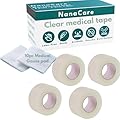
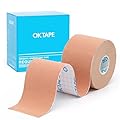

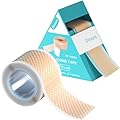

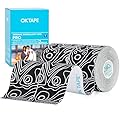
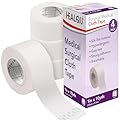
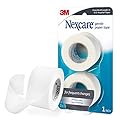
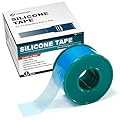

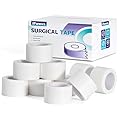
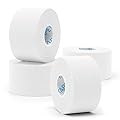


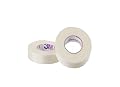
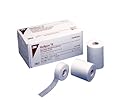
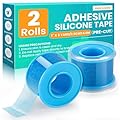

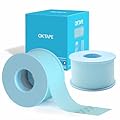
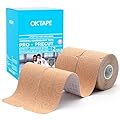
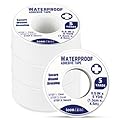
What is First Aid Tape?
First aid tape is an adhesive product designed to hold bandages, dressings, or medical devices securely in place on the skin. It is typically made from materials like cloth, paper, plastic, or foam, combined with a medical-grade adhesive that adheres to the skin without causing irritation. Available in rolls, strips, or pre-cut shapes, first aid tape comes in a variety of forms to suit different medical needs, from minor scrapes to post-surgical wound care.
The primary function of first aid tape is to anchor dressings, ensuring wounds remain protected from dirt, bacteria, and further injury. Beyond this, it is also used to stabilize splints, secure catheters, or even create makeshift supports for sprains and strains. Its flexibility, durability, and ease of use make it an essential item for both professional healthcare providers and individuals managing personal first aid kits.
Types of First Aid Tape
The first aid tape category encompasses a wide range of products, each designed for specific applications. Understanding the differences between these types can help you choose the right tape for your needs.
Medical Adhesive Tape
Medical adhesive tape is the most common type of first aid tape, widely used in both home and clinical settings. Made from materials like cloth, paper, or plastic, it is designed to be gentle on the skin while providing strong adhesion. This tape is ideal for securing gauze, bandages, or dressings over minor cuts, abrasions, or burns. It comes in various widths and lengths, allowing users to customize the size based on the wound or application.
Waterproof Tape
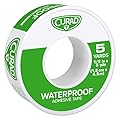
Waterproof first aid tape is designed to withstand moisture, making it perfect for use in wet environments or during activities like swimming, hiking, or sports. Typically made from plastic or vinyl, this tape resists water, sweat, and humidity, ensuring that dressings remain secure even when exposed to moisture. Waterproof tape is a favorite among athletes and outdoor enthusiasts who need reliable wound protection in challenging conditions.
Hypoallergenic Tape
For individuals with sensitive skin or allergies to standard adhesives, hypoallergenic tape is a game-changer. Made with gentle, non-irritating adhesives, this tape minimizes the risk of skin reactions, redness, or discomfort. It is often used in pediatric care, for elderly patients, or for those with delicate skin. Hypoallergenic tape is available in various materials, including paper and cloth, and is suitable for long-term use.
Transparent Tape
Transparent first aid tape, often made from clear plastic or polyurethane, offers a discreet option for securing dressings. Its see-through design allows healthcare providers or individuals to monitor wounds without removing the tape, reducing the risk of disturbing the healing process. Transparent tape is commonly used in cosmetic or facial applications, as well as for securing IV lines or catheters in medical settings.
Sports Tape
Sports tape, also known as athletic tape, is designed for active individuals and athletes. Made from strong, durable materials like cotton or synthetic blends, it provides robust support for joints, muscles, or injuries like sprains and strains. Unlike other first aid tapes, sports tape is often non-elastic, offering rigid support to prevent further injury during physical activity. It is commonly used to tape ankles, wrists, or knees during sports or rehabilitation.
Foam Tape
Foam tape is a specialized type of first aid tape with a cushioned, flexible backing. It conforms easily to the body’s contours, making it ideal for areas with frequent movement, such as joints or curved surfaces. Foam tape is often used in wound care for pressure ulcers or to secure dressings in sensitive areas. Its soft texture reduces friction and discomfort, making it suitable for long-term applications.
Elastic Tape
Elastic first aid tape, sometimes called cohesive or self-adhesive tape, sticks to itself without adhering to the skin or hair. This makes it an excellent choice for wrapping injuries like sprains or securing dressings without causing discomfort during removal. Elastic tape is commonly used in veterinary care, sports medicine, and pediatric applications due to its gentle yet secure hold.
Key Features of First Aid Tape
When selecting first aid tape, several features can influence its performance and suitability for specific tasks. Here are some key characteristics to consider:
Adhesive Strength
The adhesive strength of first aid tape determines how securely it holds dressings or devices in place. Strong adhesives are ideal for high-movement areas or heavy dressings, while gentler adhesives are better for sensitive skin or frequent tape changes. Many tapes offer a balance of secure adhesion and easy removal to prevent skin damage.
Breathability
Breathable first aid tape allows air to circulate to the skin, reducing the risk of irritation or maceration (softening of the skin due to prolonged moisture exposure). Paper and cloth tapes are often highly breathable, making them suitable for extended use or for patients with sensitive skin.
Flexibility and Conformability
Tapes that stretch or conform to the body’s contours are essential for areas like joints, fingers, or toes. Flexible tapes, such as foam or elastic varieties, adapt to movement without peeling off, ensuring consistent protection and comfort.
Ease of Tearing
Many first aid tapes are designed to be torn by hand, eliminating the need for scissors. This feature is especially useful in emergencies or outdoor settings where tools may not be readily available. Perforated or pre-cut tapes also enhance convenience for quick application.
Durability
Durable tapes resist wear and tear, maintaining their hold even during physical activity or exposure to water. Waterproof and sports tapes are particularly durable, making them suitable for demanding environments or long-term use.
Benefits of Using First Aid Tape
First aid tape offers numerous advantages, making it a vital component of wound care and injury management. Here are some of the key benefits:
Wound Protection
By securing bandages and dressings, first aid tape prevents contaminants like dirt, bacteria, or water from entering wounds, reducing the risk of infection. This is critical for both minor injuries and more serious wounds requiring prolonged care.
Versatility
First aid tape is incredibly versatile, with applications ranging from securing gauze to stabilizing splints or creating makeshift supports. Its adaptability makes it suitable for use in homes, hospitals, sports fields, and outdoor adventures.
Ease of Use
Most first aid tapes are user-friendly, requiring no special training to apply. Hand-tearable designs and pre-cut options make them accessible for individuals of all ages and skill levels, ensuring quick and effective wound care.
Comfort
Modern first aid tapes are designed with patient comfort in mind. Hypoallergenic, breathable, and flexible options minimize skin irritation and allow for comfortable wear, even during extended periods.
Cost-Effectiveness
First aid tape is an affordable solution for wound care and injury management. Available in various sizes and types, it provides a cost-effective way to maintain hygiene and support healing without breaking the bank.
Common Uses of First Aid Tape
First aid tape is used in a wide range of scenarios, from everyday mishaps to specialized medical applications. Here are some common uses:
Securing Bandages and Dressings
The primary use of first aid tape is to hold bandages, gauze, or dressings in place over wounds. This ensures that the wound remains covered, clean, and protected during the healing process.
Stabilizing Injuries
Sports tape and elastic tape are often used to stabilize sprains, strains, or fractures. By wrapping joints or limbs, the tape provides support, reduces movement, and helps prevent further injury.
Securing Medical Devices
In clinical settings, first aid tape is used to secure IV lines, catheters, or other medical devices to the skin. Transparent and hypoallergenic tapes are particularly popular for this purpose due to their gentle adhesion and visibility.
Blister and Hot Spot Prevention
Athletes and hikers often use first aid tape to prevent blisters or hot spots on their feet. By applying tape to high-friction areas, such as heels or toes, users can reduce discomfort and protect their skin during prolonged activity.
Temporary Wound Closure
In emergencies, first aid tape can be used to temporarily close small wounds or hold skin together until medical attention is available. This is particularly useful in outdoor or remote settings where immediate care may not be accessible.
Choosing the Right First Aid Tape
Selecting the appropriate first aid tape depends on the specific needs of the user and the situation. Here are some factors to consider when choosing a tape:
Skin Sensitivity
For individuals with sensitive or delicate skin, hypoallergenic or paper tapes are the best choices to minimize irritation. Always check for latex-free options if allergies are a concern.
Activity Level
Active individuals or those engaging in sports should opt for durable, waterproof, or sports tapes that can withstand movement and sweat. Elastic tapes are also a good choice for areas requiring flexibility.
Environment
Consider the environment in which the tape will be used. Waterproof tape is essential for wet or humid conditions, while breathable tapes are better for dry, controlled settings.
Duration of Use
For short-term applications, standard medical adhesive tape may suffice. For longer-term use, such as post-surgical care, choose breathable, hypoallergenic, or foam tapes to ensure comfort and skin health.
Wound Type
The size, location, and severity of the wound will influence the type of tape needed. Transparent tape is ideal for monitoring wounds, while stronger tapes like sports tape are better for stabilizing injuries.
How to Apply First Aid Tape Properly
Proper application of first aid tape ensures optimal performance and comfort. Follow these steps for effective use:
-
Clean the Area: Wash and dry the skin around the wound to remove dirt, oil, or sweat. This ensures better adhesion and reduces the risk of infection.
-
Prepare the Tape: Cut or tear the tape to the desired length. For hand-tearable tapes, ensure clean edges to prevent fraying.
-
Apply Gently: Place the tape over the dressing or directly on the skin, smoothing it out to avoid wrinkles or air bubbles. Avoid stretching the tape too tightly, as this can cause discomfort or skin irritation.
-
Check Adhesion: Press down gently to ensure the tape adheres securely. For waterproof or sports tape, apply extra pressure to activate the adhesive.
-
Monitor Regularly: Check the tape periodically to ensure it remains secure and the skin underneath is not irritated. Replace the tape if it begins to peel or if the dressing becomes soiled.
Removing First Aid Tape Safely
Removing first aid tape incorrectly can cause skin irritation or damage. Follow these tips for safe removal:
-
Peel Slowly: Gently lift one edge of the tape and peel it back slowly at a 45-degree angle, pulling in the direction of hair growth to minimize discomfort.
-
Use Adhesive Remover: For stubborn adhesives or sensitive skin, apply a medical-grade adhesive remover or warm soapy water to loosen the tape.
-
Moisturize After Removal: After removing the tape, apply a gentle moisturizer to soothe the skin and prevent dryness.
First Aid Tape in Emergency Preparedness
First aid tape is a critical component of any emergency preparedness kit. Whether you’re assembling a home first aid kit, a travel kit, or a disaster preparedness bag, including a variety of tapes ensures you’re ready for different scenarios. Waterproof and sports tapes are essential for outdoor emergencies, while hypoallergenic and transparent tapes are ideal for general wound care. Stocking multiple types of tape allows you to address a wide range of injuries, from minor cuts to sprains or fractures.
Innovations in First Aid Tape
The first aid tape industry continues to evolve, with advancements in materials, adhesives, and designs improving performance and user experience. Some recent innovations include:
-
Antimicrobial Tapes: Tapes infused with antimicrobial agents to reduce the risk of infection in wounds.
-
Smart Tapes: Tapes with sensors to monitor wound healing or alert users to changes in skin temperature or moisture.
-
Eco-Friendly Tapes: Biodegradable or recyclable tapes made from sustainable materials to reduce environmental impact.
-
Pre-Cut Shapes: Tapes designed in specific shapes or sizes for common applications, such as fingertip or knuckle bandages, for faster and easier use.