
Tourniquets
Shop high-performance tourniquets for emergency bleeding control. Includes tactical, military-grade, and medical tourniquets for first responders and healthcare professionals.




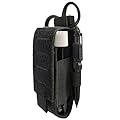
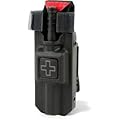


What Is a Tourniquet?
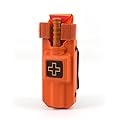
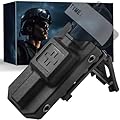
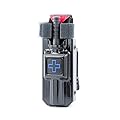
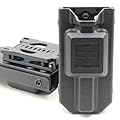
A tourniquet is a medical device used to apply pressure to a limb or extremity to restrict blood flow. By compressing arteries and veins, tourniquets prevent blood from reaching a wound, effectively stopping severe hemorrhaging. The device is typically applied in situations where direct pressure or other methods fail to control bleeding, such as in cases of deep lacerations, amputations, or penetrating injuries. Tourniquets are widely used by first responders, military personnel, and civilians trained in first aid, as well as in surgical settings to create a bloodless field for procedures.
The design of a tourniquet is straightforward but highly effective. Most modern tourniquets consist of a strap or band, a tightening mechanism (such as a windlass or ratchet), and a securing system to hold the device in place. Their compact size and ease of use make them portable and practical for emergency kits, ensuring they are readily available when seconds matter.
The Importance of Tourniquets in Emergency Care
Severe bleeding is one of the leading causes of preventable death in trauma situations. Uncontrolled hemorrhaging can lead to shock, organ failure, and death within minutes. Tourniquets address this critical issue by providing a rapid and reliable method to stop blood flow, buying time for the injured person to receive professional medical care. Their importance cannot be overstated, particularly in high-risk environments such as:
-
Military and Combat Settings: Soldiers often face injuries from explosions, gunfire, or shrapnel, where tourniquets are a standard part of tactical first aid.
-
Civilian Emergencies: Car accidents, workplace injuries, or outdoor mishaps can result in severe bleeding that requires immediate intervention.
-
Mass Casualty Incidents: In disasters or active shooter scenarios, tourniquets enable bystanders and first responders to stabilize multiple victims quickly.
-
Medical Procedures: Surgeons use tourniquets to control bleeding during operations, particularly on limbs.
The widespread adoption of tourniquets in both civilian and professional settings has led to a significant reduction in preventable deaths from hemorrhage, making them a cornerstone of trauma care.
Types of Tourniquets
Tourniquets come in various designs, each tailored to specific needs and scenarios. Understanding the different types available can help users select the most appropriate device for their environment. Below are the primary categories of tourniquets:
1. Combat Application Tourniquets (CAT)
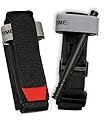
The Combat Application Tourniquet (CAT) is one of the most widely recognized and used tourniquets, particularly in military and tactical settings. Designed for rapid, one-handed application, the CAT features a durable strap and a windlass mechanism that allows users to apply significant pressure with minimal effort. Its lightweight and compact design make it ideal for inclusion in individual first aid kits (IFAKs). The CAT is known for its reliability in extreme conditions, such as mud, water, or sand, and is a staple in military medical protocols.
2. Ratchet Tourniquets
Ratchet tourniquets use a ratcheting mechanism to tighten the strap, providing precise control over the pressure applied. These devices are popular in both civilian and professional settings due to their ease of use and ability to maintain consistent pressure. Ratchet tourniquets are often found in emergency medical services (EMS) kits and are favored for their quick application and ability to be adjusted without losing tension.
3. Pneumatic Tourniquets
Pneumatic tourniquets use air pressure to compress the limb, typically through an inflatable cuff. These are more common in surgical settings, where precise control over pressure is necessary to avoid tissue damage. While highly effective, pneumatic tourniquets are less portable than other types and are typically used in controlled environments like operating rooms rather than in the field.
4. Improvised Tourniquets
In the absence of a commercial tourniquet, improvised versions can be made using materials like belts, scarves, or torn fabric paired with a rigid object (such as a stick) to act as a windlass. While these can be effective in desperate situations, they are less reliable and harder to apply correctly compared to purpose-built tourniquets. Improvised tourniquets are generally considered a last resort when no other options are available.
5. Elastic Tourniquets
Elastic tourniquets are stretchable bands that rely on the material’s elasticity to apply pressure. These are often used for minor procedures, such as drawing blood or inserting IVs, but are not suitable for controlling severe hemorrhaging. Their simplicity makes them a common choice in clinical settings, but they lack the robustness needed for trauma care.
Key Features to Look for in a Tourniquet
When selecting a tourniquet, several features determine its effectiveness and suitability for specific situations. Here are the key factors to consider:
Durability and Material Quality
Tourniquets must withstand harsh conditions, including extreme weather, dirt, and physical stress. High-quality materials like reinforced nylon or polyester ensure the device remains functional even in challenging environments. Look for tourniquets that are resistant to fraying, tearing, or stretching over time.
Ease of Application
In high-stress situations, simplicity is critical. Tourniquets should be easy to apply, ideally with one hand, as the user may be injured or assisting someone else. Devices with intuitive mechanisms, such as windlasses or ratchets, reduce the learning curve and ensure quick deployment.
Portability
A tourniquet’s compact size and lightweight design make it easy to carry in a first aid kit, pocket, or backpack. Many modern tourniquets are designed to fold or collapse into a small footprint, making them ideal for everyday carry or tactical use.
Pressure Control
The ability to apply and maintain sufficient pressure is the hallmark of an effective tourniquet. Look for devices with mechanisms that allow for precise tightening and secure locking to prevent slippage. Some tourniquets also include indicators to confirm when adequate pressure has been applied.
Reusability and Maintenance
While many tourniquets are designed for single use in emergencies, some models are reusable with proper cleaning and maintenance. Reusable tourniquets are often found in medical facilities or training environments, where they can be sanitized and inspected regularly.
Compatibility with Training
For individuals or organizations investing in tourniquets, compatibility with training protocols is essential. Many manufacturers offer training versions of their tourniquets, allowing users to practice application without damaging the actual device.
Applications of Tourniquets
Tourniquets are versatile tools with applications across various settings. Their primary function is to control bleeding, but their specific uses depend on the context:
Emergency Medical Services (EMS)
Paramedics and EMTs carry tourniquets as part of their standard equipment. In cases of car accidents, falls, or other traumatic injuries, tourniquets are used to stabilize patients before they can be transported to a hospital. Their quick application helps EMS personnel focus on other life-saving interventions.
Military and Tactical Operations
In combat zones, tourniquets are a critical component of tactical combat casualty care (TCCC). Soldiers are trained to apply tourniquets to themselves or others in seconds, often under fire. The ability to stop bleeding rapidly can mean the difference between life and death in these high-stakes environments.
Outdoor and Recreational Activities
Hikers, climbers, and other outdoor enthusiasts often include tourniquets in their first aid kits. Remote locations with limited access to medical care make tourniquets essential for managing injuries caused by falls, animal encounters, or equipment mishaps.
Workplace Safety
Industries like construction, manufacturing, and agriculture face risks of severe injuries from machinery or tools. Tourniquets are increasingly included in workplace first aid kits to address these risks, particularly in environments where professional medical help may not be immediately available.
Surgical and Clinical Settings
In hospitals and clinics, tourniquets are used during surgeries to create a bloodless field, allowing surgeons to work with greater precision. They are also used for minor procedures, such as venipuncture or IV insertion, to temporarily restrict blood flow.
Benefits of Using Tourniquets
The primary benefit of a tourniquet is its ability to save lives by preventing catastrophic blood loss. However, there are additional advantages to incorporating tourniquets into emergency preparedness:
-
Speed: Tourniquets can be applied in seconds, making them one of the fastest ways to control bleeding.
-
Effectiveness: When used correctly, tourniquets are highly effective at stopping even arterial bleeding.
-
Portability: Their small size allows them to be carried anywhere, from backpacks to vehicle glove compartments.
-
Training Accessibility: Many organizations offer training on tourniquet use, empowering civilians and professionals alike to respond confidently in emergencies.
-
Cost-Effectiveness: Tourniquets are relatively inexpensive compared to other medical devices, making them accessible for widespread use.
Considerations When Using Tourniquets
While tourniquets are life-saving tools, improper use can lead to complications. Here are some key considerations to keep in mind:
Proper Application
Tourniquets must be applied correctly to be effective. They should be placed 2-3 inches above the wound, avoiding joints, and tightened until bleeding stops. Incorrect placement or insufficient pressure can render the tourniquet ineffective.
Time Limits
Leaving a tourniquet on for too long can cause tissue damage due to lack of blood flow. As a general rule, tourniquets should not remain in place for more than two hours unless absolutely necessary. In emergency settings, medical professionals should be informed of the time the tourniquet was applied.
Pain Management
Applying a tourniquet can be extremely painful, particularly as pressure is increased to stop bleeding. Users should be prepared for this and focus on the life-saving purpose of the device.
Training and Familiarity
While tourniquets are designed for ease of use, training is essential to ensure proper application. Many organizations, such as the American Red Cross or Stop the Bleed, offer courses on tourniquet use, which can build confidence and competence.
Regular Inspection
For reusable tourniquets, regular inspection is necessary to ensure the device remains in good working condition. Check for signs of wear, such as frayed straps or damaged mechanisms, and replace as needed.
Choosing the Right Tourniquet
Selecting the appropriate tourniquet depends on the intended use, environment, and user expertise. Here are some tips for making an informed choice:
-
Consider the Environment: For tactical or outdoor use, opt for durable, weather-resistant tourniquets like the CAT. For clinical settings, pneumatic or elastic tourniquets may be more appropriate.
-
Prioritize Ease of Use: If the tourniquet will be used by individuals with minimal training, choose a model with a simple, intuitive design.
-
Check for Certifications: Look for tourniquets that meet industry standards, such as those approved by the Committee on Tactical Combat Casualty Care (CoTCCC).
-
Evaluate Portability Needs: For everyday carry or travel, compact tourniquets are ideal.
-
Balance Cost and Quality: While budget is a consideration, prioritize quality to ensure reliability in life-or-death situations.